

What is 'zombie filler'? Doctors use donor fat to restore volume
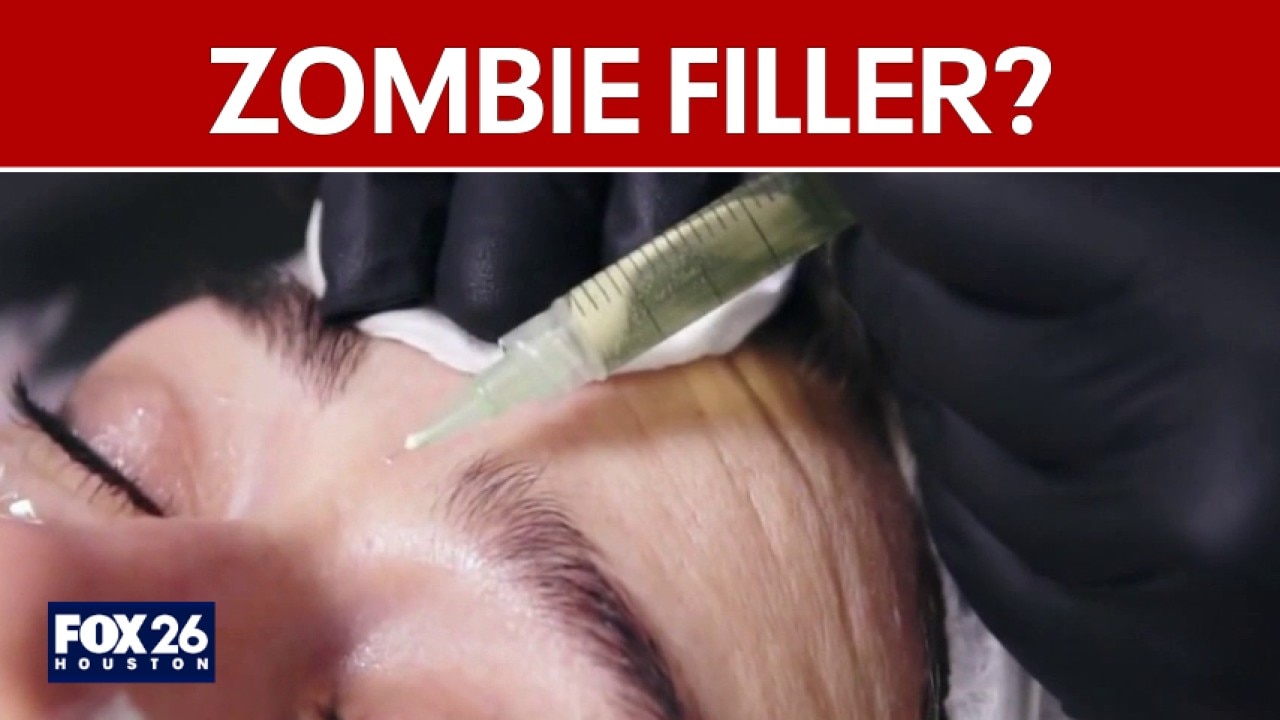
Are 'Zombie Fillers' Safe? Expert Insights on Donor Fat Use
Fat from human organ donors is being processed and marketed as a new injectable option for aesthetic procedures.
HOUSTON - Fat from human organ donors is being processed and marketed as a new injectable option for aesthetic procedures.
FOX 26 spoke with an expert about how these so-called "zombie fillers" work, and what people interested in them should consider.
What is ‘zombie filler’?
What we know:
"This kind of fat is taken from organ donors, from tissue banks. It is processed, tested for other medical conditions, infections and diseases, before it is then processed and put into a mixture that can be injected as filler," says Dr. Mirwat Sami, an oculofacial plastic surgeon.
Is it safe?
What we don't know:
The long-term safety profile remains completely unknown, and patients must weigh the physical risks against a procedure that bypasses standard anti-rejection protocols.
"The jury is still out, right, because this is very new material that’s being used," Dr. Sami said.
She noted that doctors already see possible complications when patients are injected with their own fat, including granulomas, scarring, necrosis and oil cysts.
Ethical considerations
Dig deeper:
"These are organ donors that have decided to donate their body after their demise for science, for lifesaving, medical conditions and surgeries. But now their bodies and their cadavers and their tissue is being used in aesthetics. So there's definitely an ethical consideration there about consent and how they would feel about being a part of someone's aesthetic journey, so-to-speak," says Dr. Sami.
She said there should be more discussion about donor consent and whether consent forms may need to change.
Why donor fat may be gaining traction
Dig deeper:
Dr. Sami noted that the growing use of GLP-1 weight loss medications may be one reason donor fat is gaining traction.
Some patients who have lost weight may no longer have enough of their own body fat available for doctors to transfer to areas where they want to restore volume.
The Source: FOX 26's Anchor/Medical Reporter Melissa Wilson interviewed Dr. Mirwat Sami with Oculofacial Plastic Surgery to gather information for this story.