

Research shows illegal shark fin trade occurring globally despite international protections

Sharks threatened by fin, meat trade
Research shows the illegal shark fin trade is still occurring globally despite international protections spanning more than a decade. FOX 13's Kimberly Kuizon reports.
SARASOTA, Fla. - Research shows the illegal shark fin trade is still occurring globally despite international protections spanning more than a decade.
What we know:
Despite international protections put in place to protect five species of threatened sharks worldwide, research from Mote Marine Laboratory and others has uncovered an ever-strong illegal shark fin and meat trade.
Courtesy: Stan Shea
Researchers are sounding the alarm as these sharks face a continued threat of extinction.
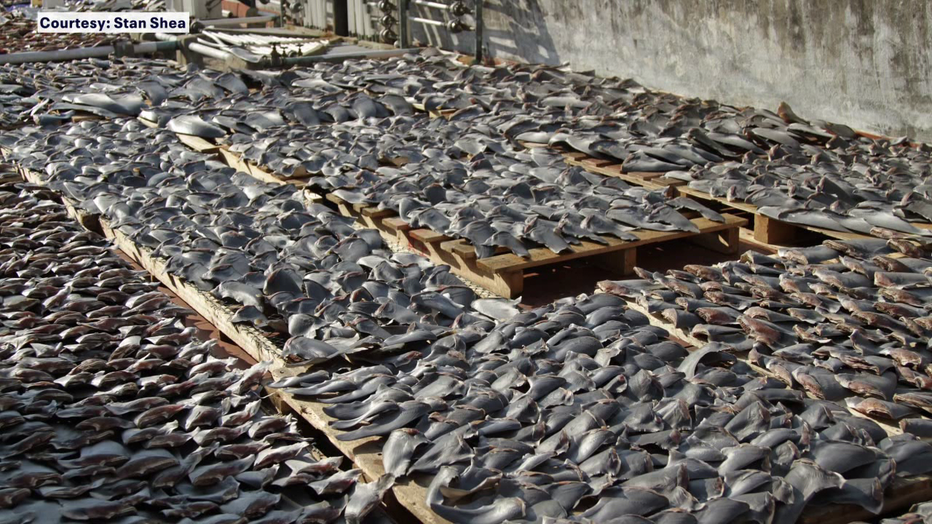
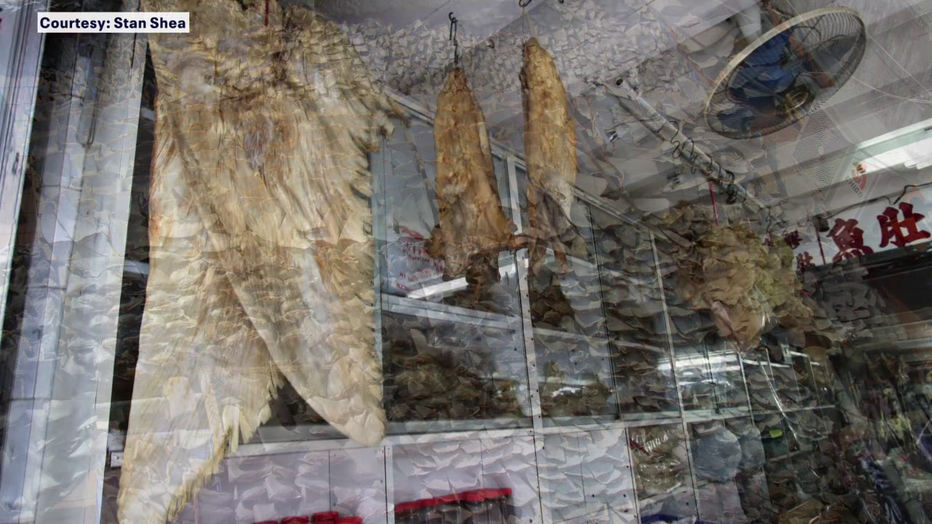
Shark fins are sought-after items in Hong Kong Markets, but regulations passed in 2013 to protect five threatened species should limit the number for sale in those markets. The species include Porbeagle, Oceanic White Tip, Scalloped Hammerhead, Smooth Hammerhead and great hammerhead sharks.

Courtesy: Stan Shea
"According to the legal trade. The reported, certified trade of these five species there should be very little of them in the market in Hong Kong. The trade records say that there’s very little they should be like a unicorn in them," said Dr. Demian Chapman.
By the numbers:
Dr. Demian Chapman, Director of the Sharks and Rays Conservation Research Program at Mote Marine Laboratory in Sarasota, said while numbers say one thing, science shows another.
Other News: When will SNAP payments resume now that the government shutdown has ended?
"We went through the market; we used DNA testing to figure out what species. We looked at close to 20,000 samples in this 7-year period. What we found was they were not unicorns. They were very common. Except for one species, the Porbeagle," said Dr. Chapman.
Courtesy: Stan Shea
Dr. Chapman said this is clear evidence that illegal trade is happening on a large scale. Trade of the species should only happen if it's legal, traceable and sustainable. Testing showed 70 times more fins from Oceanic whitetips and 10 times as many from Hammerheads than what was reported.
"What's happening in many countries is they are probably just fishing, it’s not sustainable, and they hide the fins from oceanic whitetip and scalloped hammerhead and ship it to Hong Kong, thinking no one is checking, but we are checking," he said.
Why you should care:
Dr. Chapman said Spain and China are believed to be two of the largest offenders, with large fishing fleets that travel outside their countries.
"If countries are found not doing the right thing, there could be a suspension of trade with those countries, other countries could sanction them," he said.
Dr. Chapman said identifying the problem is the first step in solving the issue, to protect these specific sharks from disappearing.

Courtesy: Stan Shea
"It's something we shouldn’t be doing; we shouldn’t be pulling these pieces out of the Jenga tower. Hopefully, we can get together with these trade regulations to keep these animals in the water," he said.
What's next:
In December, Dr. Chapman said there is a proposal to ban trade all together for Oceanic whitetip sharks. This would shut down trade for the species, even if it's listed as sustainable.
The Source: Information was gathered through Mote Marine Laboratory and Dr. Demian Chapman.