

Law enforcement warns of phishing scams following nationwide bank, tech outages
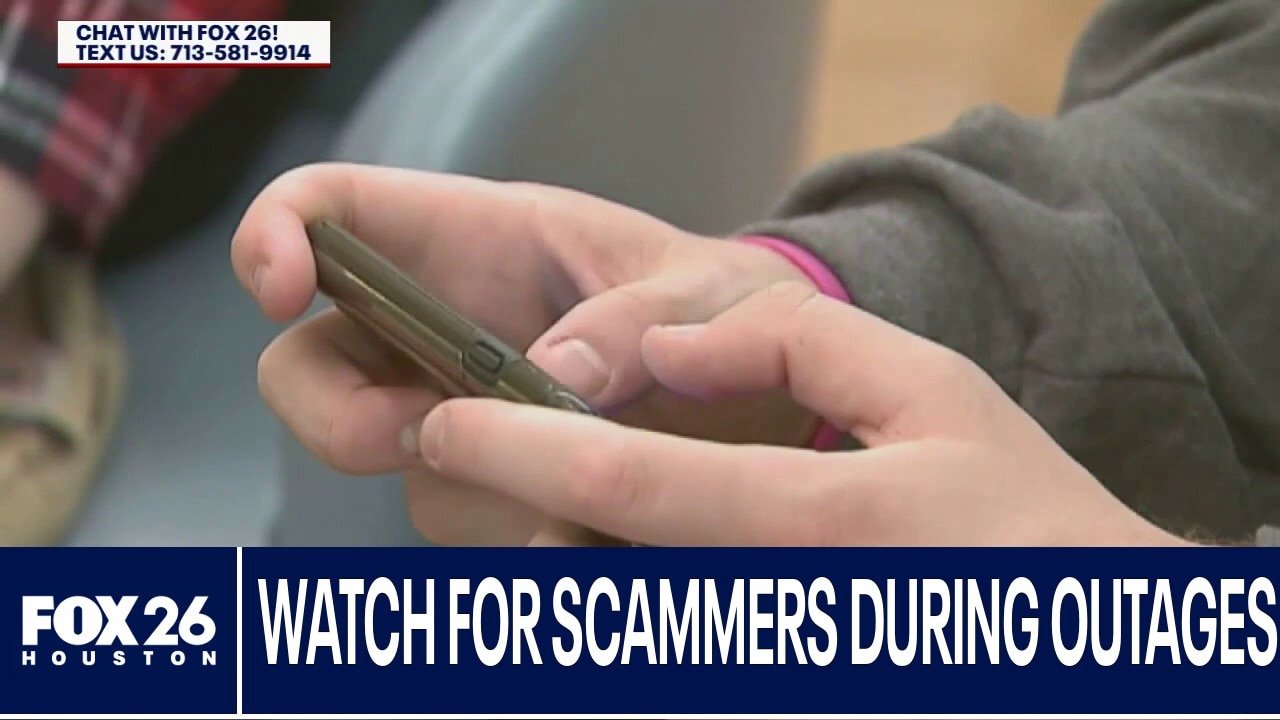
Beware of scammers amid banking outages
In light of the recent technology outages that have been reported over the last week, local law enforcement are warning citizens to watch out for scammers. FOX 26's MeKenna Earnhart explains.
HOUSTON - Following a string of high-profile technology and banking disruptions across the country, local law enforcement is warning residents to watch out for scammers attempting to exploit the confusion to steal personal and financial information.
Tech and banking disruptions
The backstory:
Earlier this week, an internal software bug at JPMorgan Chase slowed online banking services and delayed Zelle transfers for customers across several major financial institutions, including Bank of America, Wells Fargo, U.S. Bank, Capital One and Trust. Chase confirmed the issue was a technical glitch rather than a cyberattack, and services have since returned to normal. The banking disruption followed unrelated outages affecting Microsoft services and Federal Aviation Administration air traffic communications.
Uptick in scams
Why you should care:
While officials say there is no evidence the technical failures are connected, authorities say opportunistic criminals routinely use widespread service interruptions to send fraudulent text messages, emails and phone calls.
Capt. Jonathan Zitzmann with the Harris County Precinct 4 Constable's Office said his agency routinely receives complaints about scam messages arriving via text, email, phone calls and apps—a trend that often increases when consumers are already concerned about their accounts.
"What I first would recommend is don't respond to it, don't acknowledge it, certainly don't click on any links that may be included in a text message or an email," Zitzmann said.
Instead of clicking links in unsolicited alerts claiming an account has been frozen or needs verification, Zitzmann advises residents to contact their bank directly using verified contact information.
"Find whatever account number is associated, if it's a credit card or a debit card, turn that card around, look at the phone number on the back, call that phone number, the official number regarding that financial institution, call them and share your concern and see if they can verify if there's any legitimate issue," he said.
Zitzmann noted that scammers frequently spoof caller ID numbers to appear as legitimate financial institutions or government agencies—and said he even received a fraudulent call from someone impersonating him.
"At the end of the day, the best reminder is if somebody's asking for personal information over the phone or they're asking for financial information over the phones, do not give it out," Zitzmann said.
What if I already clicked a suspicious link?
What you can do:
For anyone who may have already clicked a suspicious link or shared sensitive details, Zitzmann said acting quickly can limit financial damage. He recommends contacting your bank or credit card company before calling police, so the institution can attempt to halt pending transactions, then filing a report with local law enforcement.
The Source: Information for this story comes from Capt. Jonathan Zitzmann with the Harris County Precinct 4 Constable's Office.