

2 Texas universities named to Forbes "New Ivies" list for AI-ready graduates

In this photo illustration a Forbes logo seen displayed on a smartphone. (Photo by Mateusz Slodkowski/SOPA Images/LightRocket via Getty Images)
Two Texas universities have earned spots on a Forbes list highlighting "New Ivies" colleges that are gaining favor with employers in the age of artificial intelligence.
This new trend underscores the state’s growing influence in higher education and workforce development.
Why Rice and UT Austin are the new AI powerhouses
What we know:
The annual list is based in part on a survey of more than 100 executives and hiring leaders, many of whom said artificial intelligence is reshaping entry-level hiring and raising expectations for new graduates.
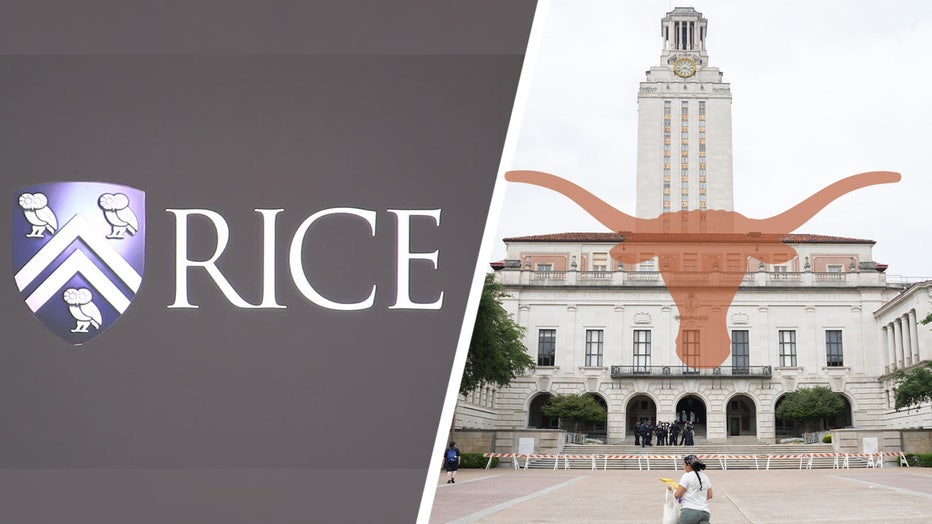
Rice University in Houston and the University of Texas at Austin were both named to Forbes’ 2026 New Ivies. The list consists of a group of 20 schools, split evenly between public and private institutions, that have been identified as producing graduates who are sought after by employers navigating rapid AI changes in entry level positions.
Preparing graduates for the AI-driven job market
Local perspective:
Rice University, a private institution, has appeared on the list for three consecutive years. The school has integrated AI into coursework across disciplines, including exercises where students compare their own work with AI-generated outputs and evaluate differences in reasoning and bias.
University leaders say such efforts are aimed at preparing students for a workforce where familiarity with AI tools is increasingly essential. "Those people that know how to use AI will replace those that don’t," Rice University provost Amy Dittmar said in the Forbes report.
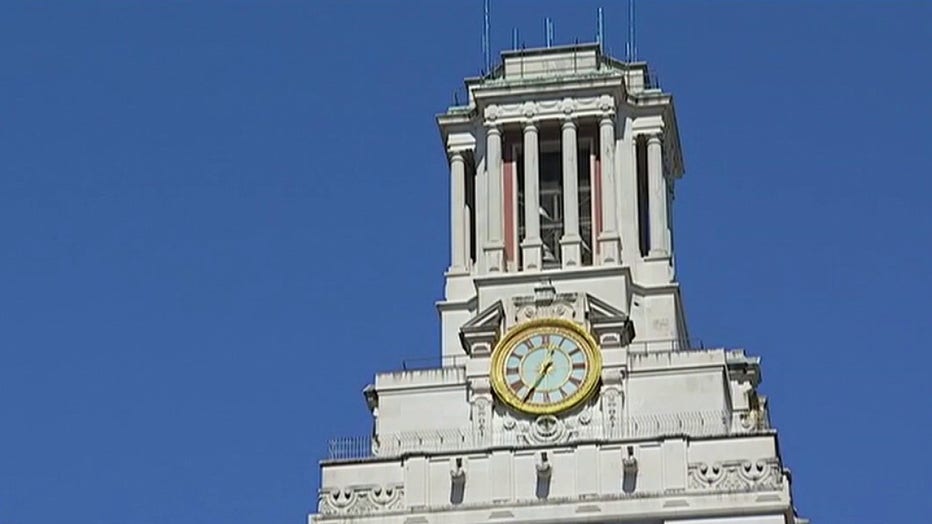
The University of Texas at Austin, one of the nation’s largest public universities, is also expanding its AI footprint. The school recently announced plans to hire 50 faculty members for a new School of Computing, with the goal of broadening access to computing and AI education across majors.
Texas’ growing influence in higher education

Dig deeper:
Both institutions reflect a broader shift that is highlighted in the report: growing employer confidence in large public universities and high-performing private schools outside the traditional Ivy League.
For the state of Texas, the recognition signals continued momentum as its universities invest heavily in technology-focused education to meet evolving workforce demands. As AI continues to reshape industries, schools like Rice and UT-Austin are positioning their graduates to compete in a changing job market.
Methodology for New Ivies

A photo shows the logo of the ChatGPT application developed by US artificial intelligence research organization OpenAI on a smartphone screen (L) and the letters AI appear on a laptop screen. (Photo by KIRILL KUDRYAVTSEV/AFP via Getty Images)
By the numbers:
To compile the ranking, Forbes began with all U.S. four-year, degree-granting public and private nonprofit colleges, excluding traditional Ivy League schools and so-called "Ivy Plus" institutions such as Stanford, MIT, Duke, the University of Chicago and Johns Hopkins.
Schools were then evaluated based on several criteria, including enrollment size, admissions selectivity and the use of standardized test scores, with at least half of admitted students required to submit SAT or ACT results.
Eligible schools were included in a survey of C-suite executives and hiring managers, who rated institutions based on their experience with graduates. This year’s survey also asked respondents how artificial intelligence is influencing hiring decisions.
The Source: Information in this article was provided by Forbes.com