

3% of Central Texas homes in flood zone had federal flood insurance: report

Few homeowners had insurance during Texas floods
A new report reveals how the insurance crisis made the July 4th floods in Central Texas even worse for so many people who lost their homes and businesses. FOX 26's Heather Sullivan explains more on these findings.
HOUSTON - A new report reveals how the insurance crisis made the July 4th floods in Central Texas even worse for so many people who lost their homes and businesses.
The Insurance Fairness Project just issued a new report revealing only 3% of homes that were damaged had federal flood insurance, known as the National Flood Insurance Program.
The authors of the report, "Underwater and Uninsured: How the Insurance Crisis Exacerbated July 4th’s Texas Disaster," say that these catastrophic financial losses could happen again, when the next disaster strikes.
Flood damage impact on Central Texas
By the numbers:
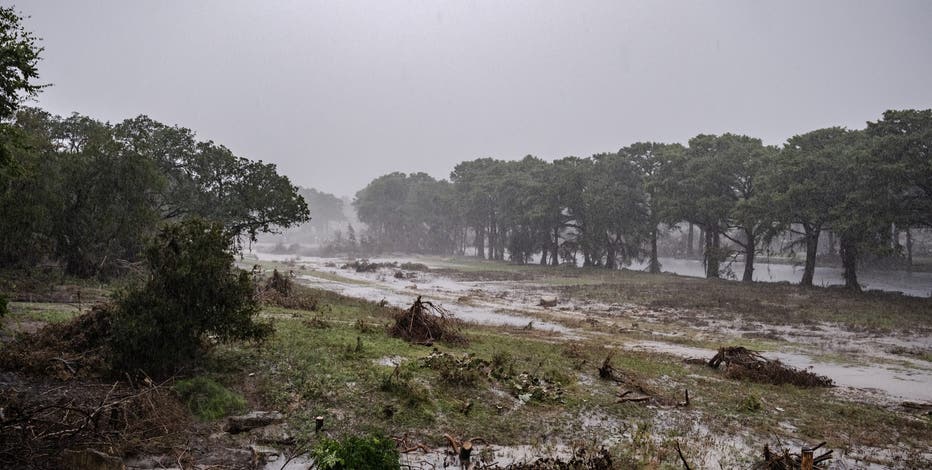
The report unpacks the level of devastation, as entire neighborhoods and business districts in Central Texas were submerged in water when the Guadalupe River rose 26 feet.
The floods caused $22 billion in economic damage.
Texas floods: $40 million committed to new housing fund for Kerr County flood victims
$40 million has been pledged to a new housing fund for Kerr County flood victims through the Community Foundation of the Texas Hill Country.
Despite the fact that the Guadalupe River is known for flash floods, the report found only 3% of 3,000 homes in FEMA-designated flood zones in Kerr County had federal flood insurance.
It found that 3,000 businesses were damaged or destroyed, including restaurants, stores, and RV parks, and that many will not be able to reopen.
Why did so few homeowners have federal flood insurance?
Dig deeper:
The report points to a handful of reasons.
First, that climate risk, inflation, and worsening weather disasters have been driving up the cost of insurance.
It states that the average Texan pays $4,000 a year for homeowners insurance, $1,700 more than the national average. Last year, four insurance companies left the Texas market, impacting 10,000 policyholders.
Plus, author Birny Birnbaum with the Center for Economic Justice says that many people still do not know that homeowners' insurance does not include flood insurance. And he says if a homeowner is not required to have flood insurance, they often opt not to purchase it.
"In this case, consumers and businesses didn’t even have the insurance. It’s a national problem and here, the situation was particularly bad because this is a flood-prone area," explained Birnbaum.
"The impact was catastrophic, and it will take years, if not decades, for people to recover," he added.
The report also says that FEMA's response to this flood was riddled with delays, disparities, and denials, especially in some of the hardest hit communities.
Get news, weather and so much more by downloding the FOX LOCAL app
It states that 7,677 flood claims were filed across 10 affected counties, and six weeks after the floods, fewer than half had been approved. At that six-week point, Kerr County, which suffered the most severe damage, had the lowest approval rate at 18%, while neighboring Tom Green County had 66% approved.
Birnbaum says the result is that people in need will lean on state and local resources for help.
"If you have a business or a home and all of a sudden you’re out of your home, you’re going to seek more social services, which means more demand for state and local resources," said Birnbaum.
The other side:
We reached out to FEMA for its response to this report. A spokesperson tells us they're looking into the report. We'll update this article when we receive its response.
The Source: Information in this article is from the Insurance Fairness Project report, "Underwater and Uninsured: How the Insurance Crisis Exacerbated July 4th’s Texas Disaster," and our interview with author Birny Birnbaum with the Center for Economic Justice.