

Katy residents say they pay more than $100 a month for water that contains sediment
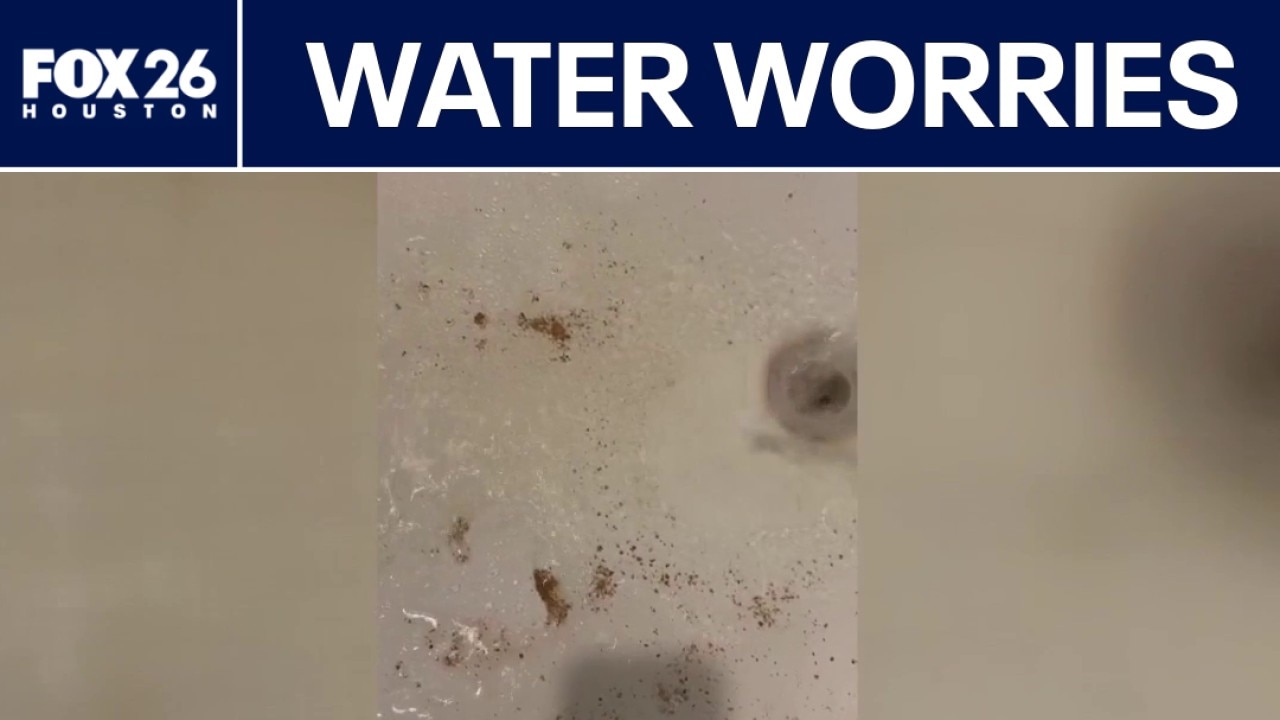
Katy residents paying over $100 a month for sediment water
Imagine paying over $100 a month for water with sediment in it. That's what some residents in Katy are dealing with. FOX 26's Randy Wallace explains.
KATY, Texas - Residents in a growing Katy subdivision say they’re paying high monthly water bills for water they don’t trust to use for cooking, bathing children or even giving to pets. Homeowners in Katy Legacy report ongoing issues with sediment and odor in their water, while the local municipal utility district insists the water is safe to drink and blames the problem on internal plumbing reactions tied to hard water and tankless heaters.
Katy residents paying over $100 a month for water that contains sediment; MUD says water is safe to drink
What they're saying:
It seems to be a growing problem in the suburbs, homeowners paying high prices for water they feel is unsuitable.
Before moving into homes in new subdivisions, be sure to research the MUD district for prices and complaints.
Whitney Posey, who lives in Katy Legacy in Katy, says sediment in the water makes her uncomfortable giving her 4-month-old, 4-year-old, and 11-year-old, baths.
Isaiah Smallwood says his water smells bad and contains sediment from time to time. He pays approximately $150 a month.
"We don't cook with the water. I don't give it to my dogs if I'm being honest," he said.
Another resident, who asked not to be identified, told us the sediment was so bad she had to replace her shower head at least four times.
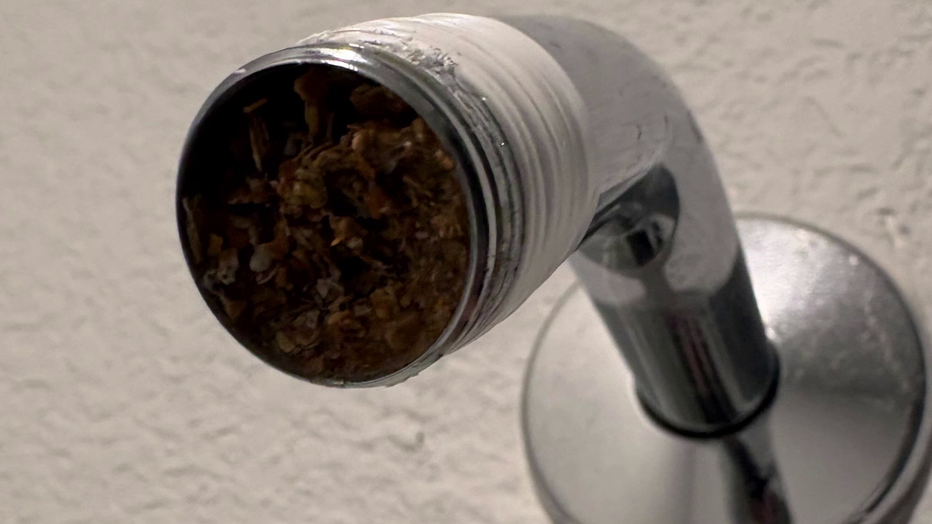
"Absolutely insane," she said.
The other side:
In a statement, Harris County Municipal Utility District Number 540 told FOX 26, it's an internal plumbing issue caused by a chemical reaction when tankless water heaters flash heat the area's naturally hard water.
The MUD says the water is safe to drink.
In a statement, the MUD says, "As the water operator for the District, we confirm that the water is safe to drink.
Recent investigations show that sediment buildup in some homes is an internal plumbing issue caused by a chemical reaction when tankless water heaters flash-heat the area's naturally hard water. To prevent this mineralization, residents with tankless systems are encouraged to perform manufacturer-recommended maintenance and set their units to a maximum temperature of 120 degrees Fahrenheit.
Frequently Asked Questions: Water Quality and Tankless Water Heaters
Water Safety & Quality
- Is the District's water safe to drink?Yes. Water in Harris County MUD No. 540 is completely safe to drink. It meets or exceeds all safety standards set by the Texas Commission on Environmental Quality (TCEQ) and the U.S. Environmental Protection Agency (EPA).
- Why does the water in our area feel hard?Our water comes from underground wells. Groundwater in the Houston region naturally contains safe minerals like calcium, magnesium, iron, and zinc, which create "hard water."
Sediment & Tankless Water Heaters
- What is causing the sediment buildup in my faucets?Two years of our internal research shows this is an internal plumbing issue. The copper heating elements in tankless water heaters quickly flash-heat the water, causing naturally occurring minerals to solidify into tiny particles.
- Why doesn't this happen as much with traditional water heaters?Traditional water heaters heat water slowly. They also have a large storage tank designed to hold sediment at the bottom, whereas tankless systems lack this chamber, causing minerals to travel straight to your faucet aerators.
- Is the residue in my home filtration system dangerous?No. Home filters are doing exactly what they are designed to do by trapping these minerals. While the trapped material may look unappealing, the water remains entirely safe.
Prevention & Maintenance
- What temperature should I set my tankless water heater to?Keep your unit set to a maximum of 120 degrees Fahrenheit. Higher temperatures accelerate the chemical reaction, creating much more sediment in your pipes.
- How do I prevent mineral buildup in my home?Follow the manufacturer's guidelines to regularly flush your tankless water heater. Installing a home water softener can also significantly reduce hard water mineral crystallization.
The Source: Katy Legacy residents, statement from Harris County MUD 540