

Houston proposes new 'high-risk' apartment ordinance to crackdown on worst rental properties
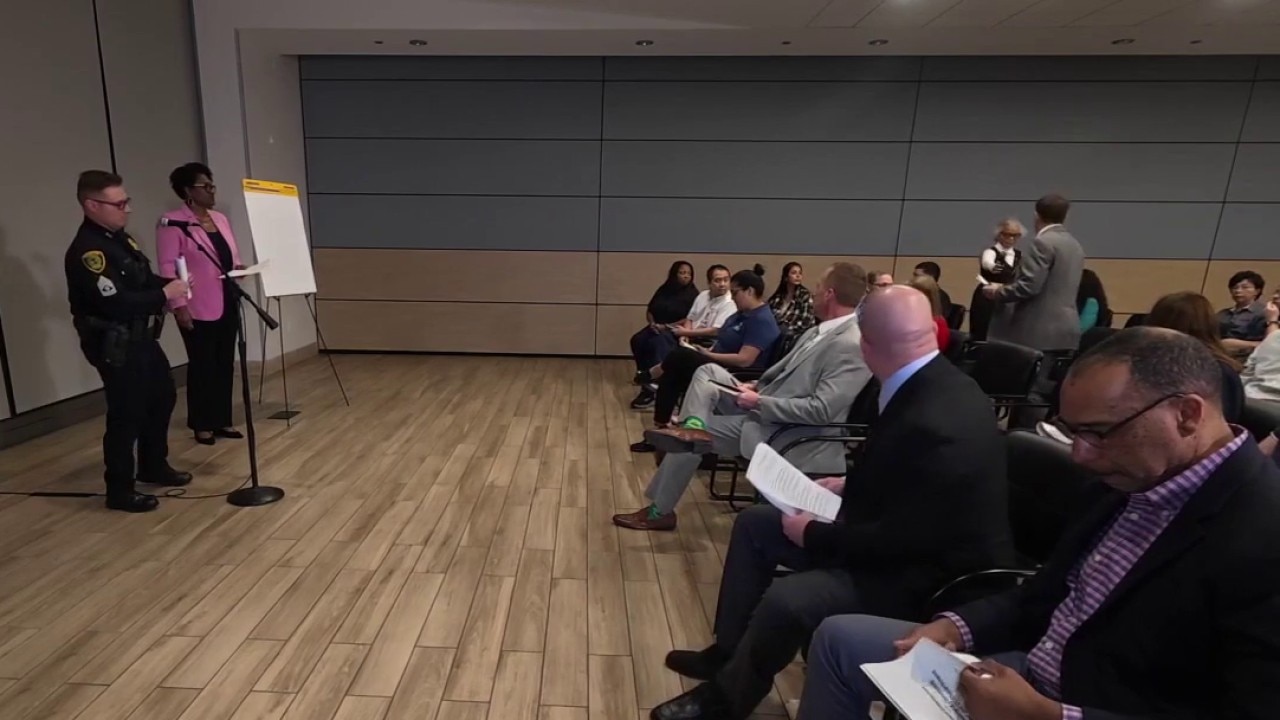
Houston officials propose apartment inspection ordinance
Houston leaders are considering changes to the city’s apartment ordinance that would shift the city from complaint-based responses to proactive inspections for the city’s most problematic properties.
HOUSTON - A proposed ordinance aimed at cracking down on Houston’s worst-performing apartment complexes is drawing sharp debate between city leaders, landlords and tenants, highlighting broader tensions over housing conditions in a city where most residents rent.
Targeting Houston’s "high-risk" apartment complexes
What we know:
City officials say the proposed Apartment Inspection Ordinance would strengthen oversight of the highest-risk properties by increasing inspections and penalties. Landlords and property managers say they support safe housing but question whether the measure is fair, enforceable or necessary beyond existing rules.
The proposal, led by Mayor Pro Tem Martha Castex-Tatum and Council Member Tiffany Thomas, would target the 20 worst-ranked apartment properties citywide based on 311 complaints and health citations. The two hosted a public meeting in Alief to discuss the feedback on the proposed ordinance.
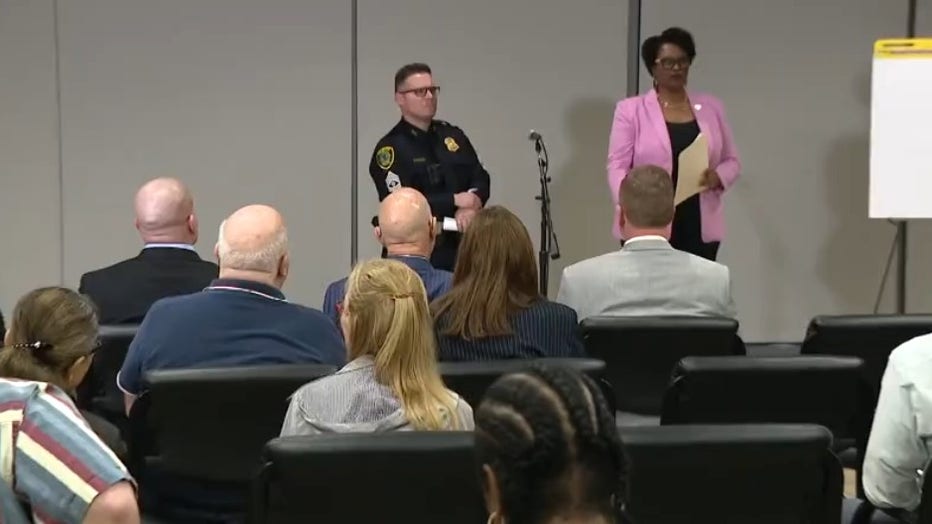
Fines and enforcement policies
Local perspective:
"We are a city of renters," Thomas said, noting that an estimated 57% to 60% of Houston residents lease their homes. She said thousands of 311 calls each year originate from apartment communities and are tied to broader quality-of-life concerns.
Houston officials say the goal is to shift from reactive enforcement to proactive intervention before conditions deteriorate further.
Under the proposal, properties designated as "high risk" would be placed on a registry and subject to mandatory inspections.
Fines for noncompliance could range from $250 to $2,500 per day. In extreme cases, properties that remain out of compliance could face the loss of their occupancy certificates.
What they're saying:
Supporters say the ordinance is designed to ensure safe, habitable housing and prevent repeat violations. But the measure has faced repeated delays in recent months as city leaders gather community feedback and address questions about enforcement.
At the public meeting, residents and landlords alike sought clarity about how the ordinance would work.
Several tenants declined to speak on camera but told reporters they are concerned about what protections the city can realistically enforce and how their safety would be ensured if problems continue.
Concerns over fairness and costs
The other side:
The Houston Apartment Association, which represents property owners and managers, said it has been engaged in discussions with city leaders for months.
Ben McPhaul, the group’s vice president of government affairs, said the association supports the goal of safe housing but wants to ensure the ordinance is "fair" and "enforceable."

Ben McPhaul, VP of Government Affairs for the Houston Apartment Association
One concern, he said, involves language that could hold property owners or managers liable for issues they may not directly control, such as major structural or foundation repairs that depend on ownership-level funding decisions.
McPhaul also questioned whether the ordinance adds substantial new standards beyond Houston’s existing habitability rules. He characterized the proposal as primarily creating a "high-risk" designation that would allow more frequent inspections.
Another issue raised by housing providers is whether the ordinance would treat small apartment properties the same as large complexes under identical citation thresholds. McPhaul said that concern has been discussed but is not addressed in the current draft.
Tenant safety vs. property management challenges
Dig deeper:
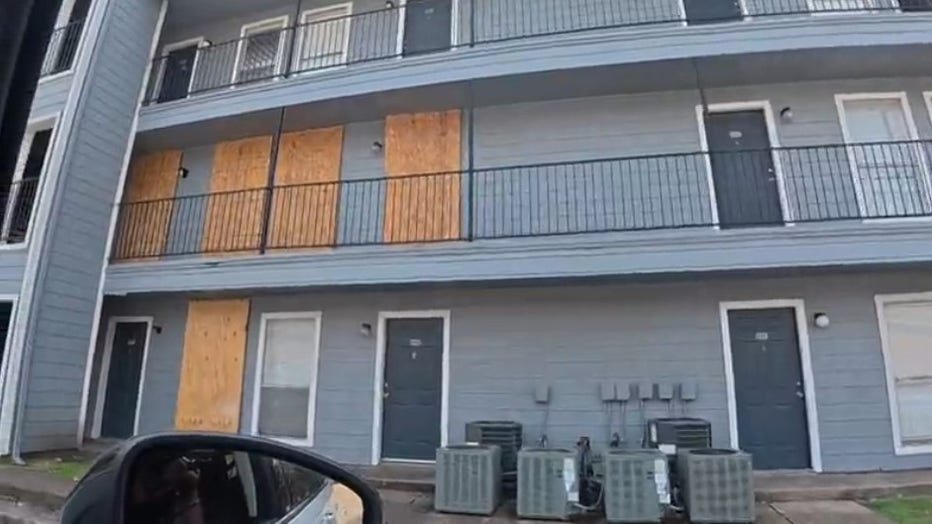
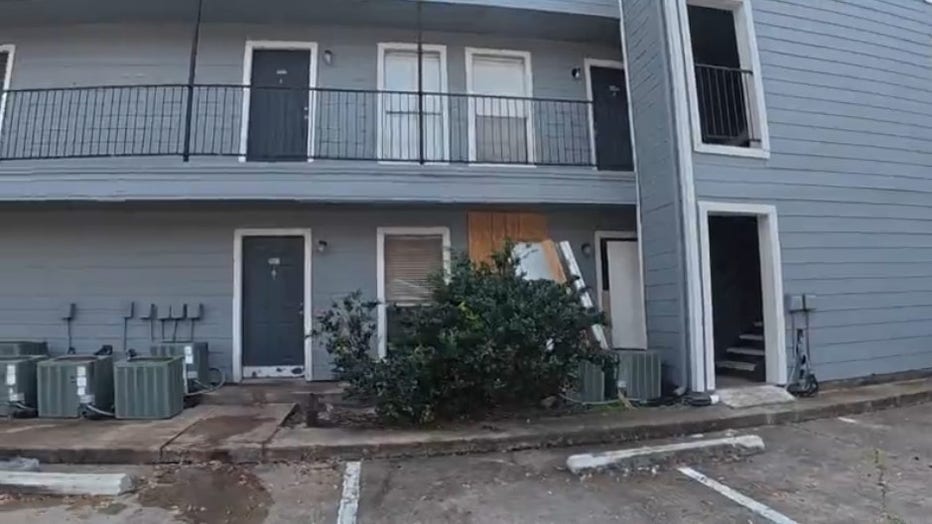
At Ashford Court on Ashford Point, a property manager who spoke on record but declined to appear on camera said his team typically addresses tenant complaints within 24 to 48 hours.
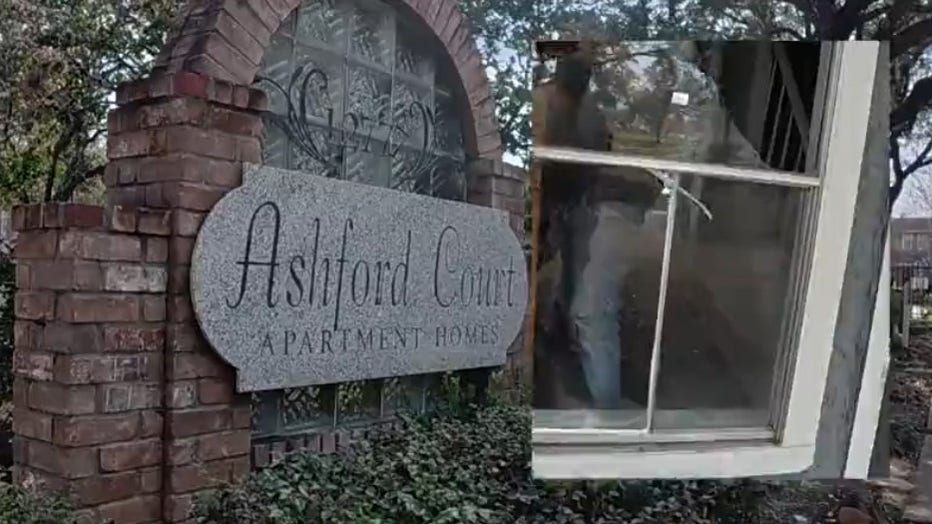
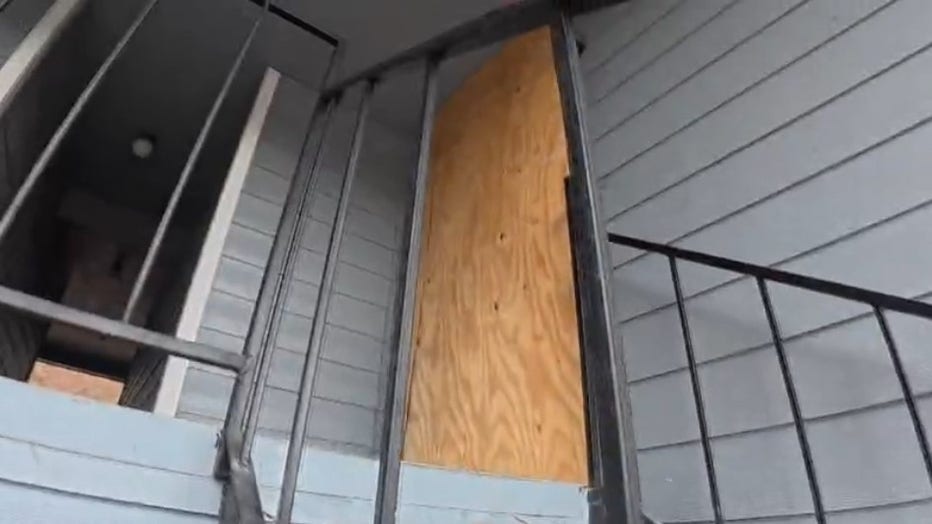
He argued that crime, particularly squatting, is a primary driver of the problems facing his property. Despite hiring a security team and installing 64 surveillance cameras, he said squatters repeatedly target vacant units, causing between $10,000 and $15,000 in damage per unit.
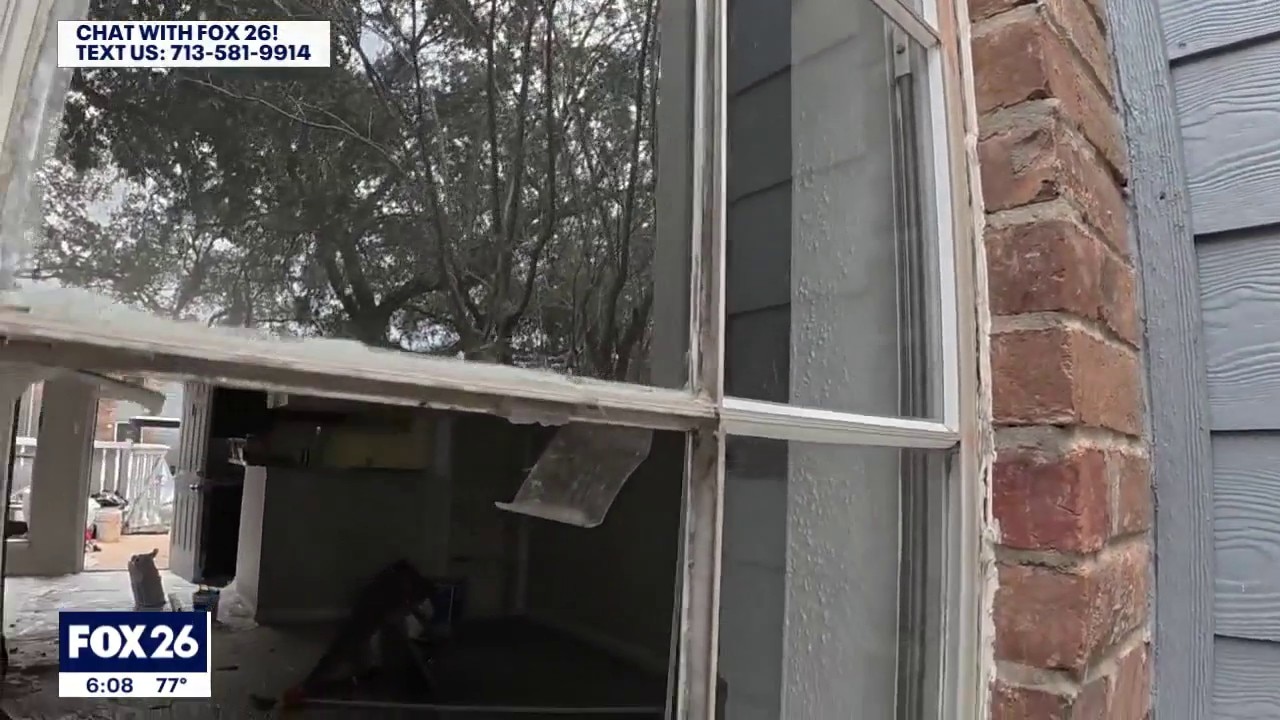
Proposed apartment inspection ordinance in Houston
Houston leaders and landlords clash over a proposed Apartment Inspection Ordinance. As councilmembers look to help the city's worst properties, one District F landlord blames a costly squatter crisis and lack of city support.
"I don’t ask the city for reimbursements," the manager said. "But the squatters are always showing back up."
He also alleged that invitations from city leaders to visit the property and inspect improvements have gone unanswered.
By the numbers:
Council Member Tiffany Thomas disputed that claim.
"That’s inaccurate," she said. "We have a strong grasp on our constituent services and constant communication with many of our landlords."
Addressing concerns about squatting, Thomas noted that Houston, as a home-rule city, cannot override Texas state law. She pointed to changes passed by the Texas Legislature in 2025 that tightened eviction procedures aimed at addressing squatting.
Thomas also said the city has allocated $30,000 in overtime funding for the Houston Police Department’s Westside Division to assist with "problematic properties" facing such issues.
Big picture view:
The debate comes as Houston continues to grapple with housing insecurity and homelessness, placing additional pressure on city officials to address apartment conditions without discouraging development or investment.
City leaders say the ordinance remains in the feedback phase. Public meetings are being held to gather input from renters and housing providers before the proposal returns to council for further consideration.
Upcoming public meetings
What's next:
Another community meeting is scheduled for March 5 from 6 p.m. to 8 p.m. at the Harris County Department of Education building on Irvington Boulevard. That meeting will cover Districts C, B, H, I, D and E.
For now, the proposal underscores a fundamental tension in Houston’s housing market: How to balance stronger oversight of troubled properties with concerns from landlords who say they should not be penalized for broader challenges.
As city officials continue to refine the ordinance, renters and property owners alike are waiting to see how far Houston will go in reshaping oversight of its apartment communities.
The Source: City of Houston Apartment Ordinance Community Meeting. FOX26 Interview with Ben McPhaul, VP of Government Affairs for the Houston Apartment Association. Background information gathered from City Council and Property Owners.