

Texas has second most Flock cameras in the country raising privacy concerns
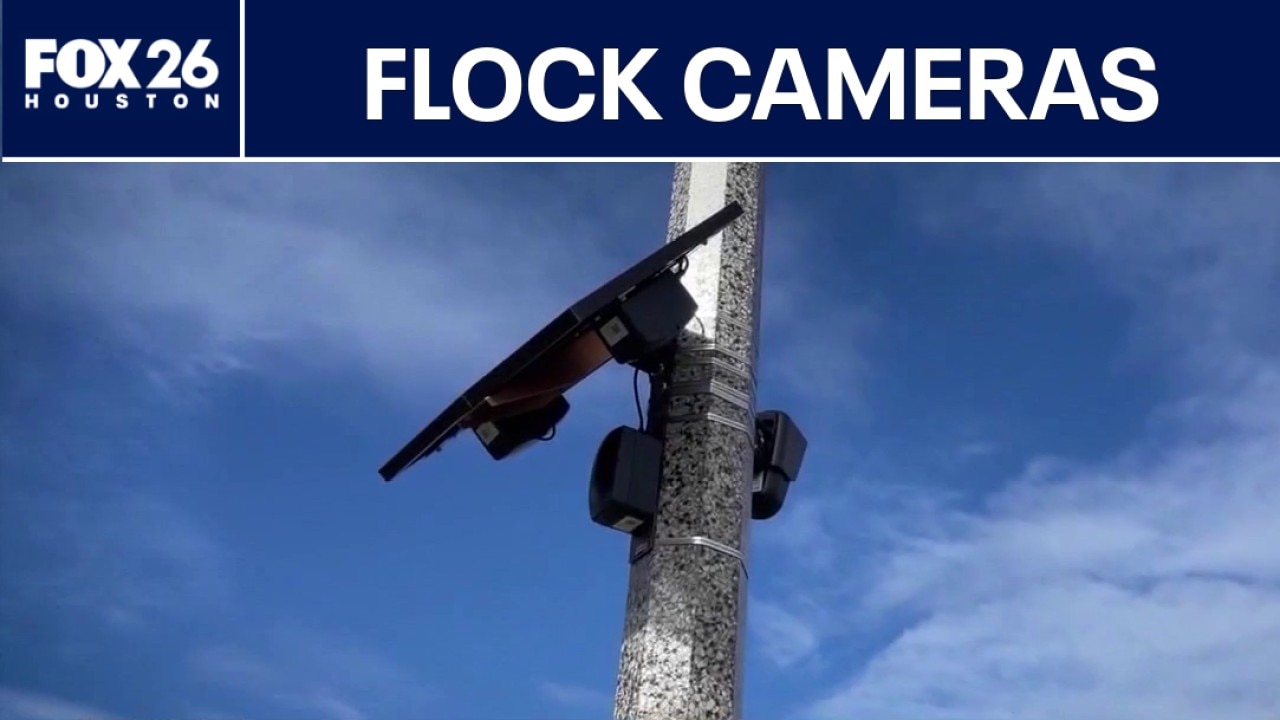
Flock cameras: Who is tracking your car?
Driving along any roadway will have you caught on camera as automated license plate readers track drivers nationwide. Olivia Dance has more information on who can see that data.
HOUSTON - Drive through almost any major intersection, suburban neighborhood, or commercial strip across the Houston area, and chances are you’ve already been caught on camera.
They are small, flat black boxes mounted on poles—often blending seamlessly into street signs and light fixtures. But as thousands of cars pass by every day, these Automated License Plate Reader (ALPR) cameras, primarily built by the tech company Flock Safety, are actively capturing license plates, vehicle details, and locations to feed into a massive, interconnected network.
While law enforcement agencies praise the technology as a critical crime-fighting tool, privacy advocates warn it is quietly constructing an unprecedented digital footprint tracking everyday citizens.
Law enforcement benefit from Flock cameras
A Game-Changer for Police:
Police departments credit the technology with delivering real-time leads that help officers solve hit-and-runs, recover stolen vehicles, and quickly locate missing children or subjects of Amber Alerts.
However, the rapid rollout has sparked growing concern over civil liberties as more than 120,000 Flock cameras now operate nationwide, capturing billions of vehicle reads every month.
Because roughly three out of four police departments opt into cross-boundary data-sharing agreements, a single commute can create a searchable, time-stamped trail across county and state lines. This allows law enforcement officers to track vehicle movements far beyond their local jurisdictions.
There have also been cases of officers misusing the cameras. In July, a Pasadena Police sergeant resigned following Flock misuse.
Privacy advocates have concerns
Privacy Concerns:
The network’s reach extends even further through private partnerships. Homeowners Associations (HOAs), commercial businesses, and neighborhood groups regularly have access to Flock data. When these private entities link their feeds to local police networks, they automatically expand the broader law enforcement grid.
Privacy experts caution that the true risk isn't just a single snapshot of a license plate on a public road, but the cumulative pattern of life the network reveals over time.
"We can't become numb to privacy exploitation because, sure, less than 1% of people out there are committing crimes," said Harry Maugans, data privacy expert and founder of Privacy Bee. "However, they're capturing 100% of cars that drive by. So the 99% of people are having their privacy exploited just simply for driving down the road."
Maugans stresses that prolonged tracking allows the network to compile detailed, sensitive profiles on drivers.
"The risk is they're piecing together a dossier of your life," Maugans added. "They know where you're traveling, they know what driveway you're parking in overnight, whose friend's house you're staying at."
Can I make Flock stop?
What you can do:
License plates are considered public information under Texas state law, drivers cannot legally opt out or block roadside cameras from scanning their vehicles.
Privacy advocates say the primary avenue for change rests with local government. Residents are encouraged to attend city council meetings and county commissioners’ courts to demand strict auditing requirements, transparent data-deletion timelines, and clear limits on who can access the camera network.
League City is the first local jurisdiction that will let voters decide if Flock cameras can be used within city limits.
The Source: Reporting from FOX 26 and information provided by Harry Maugans from Privacy Bee