

Big 12, Monster Energy deal faces health pushback
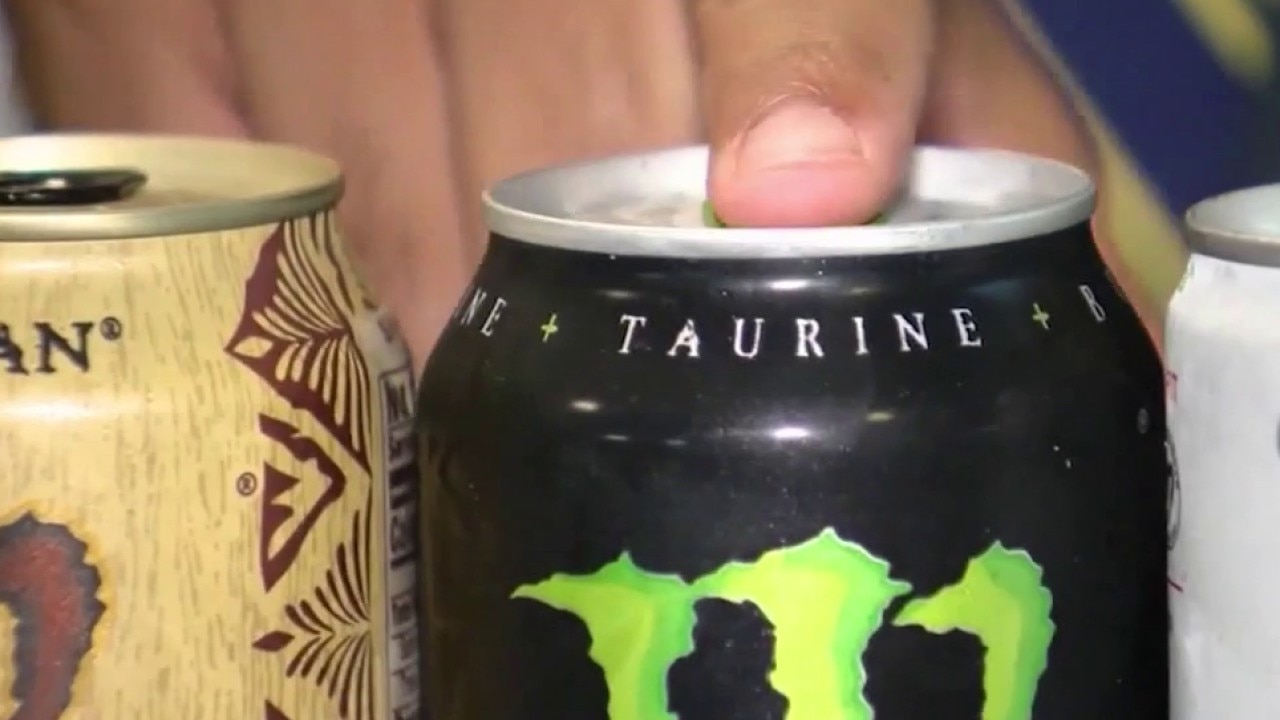
Monster Energy deal faces health pushback
A group of physicians and scientists from Houston is raising concerns about a Big 12 partnership that puts Monster Energy branding on football and basketball jerseys.
HOUSTON - The Big 12's partnership with Monster Energy includes co-branded patches on football and men's and women's basketball jerseys across the conference.
Houston sports cardiologist Dr. John Higgins is among a group of physicians and scientists questioning whether energy drink branding should appear alongside college athletes who are admired by children and teenagers.
The group says its concern is not about adults choosing to consume energy drinks. It is focused on the potential message being sent to younger fans.
Physicians, scientists send letter
Timeline:
The physicians and scientists sent Big 12 and NCAA leadership a letter asking them to pause the branding while independent medical experts review the potential health risks.
Higgins says it was the group's second attempt to raise concerns.
The NCAA responded on Aug. 24. The doctors say the Big 12 has not directly addressed their concerns.
The backstory:
Higgins says the doctors are concerned young fans may see athletes they admire wearing Monster Energy branding and associate energy drinks with athletic success or performance.
He says energy drink companies have previously testified before Congress that they would not market their products to children.
The physicians are asking whether placing the branding directly on college athletes creates a different kind of exposure to younger consumers.
Data & their concerns
By the numbers:
According to a fact sheet provided by the physicians, 65% of children surveyed between the ages of 9 and 17 reported using energy drinks, with most saying they first consumed them before age 12.
The physicians say only about 1 in 5 children surveyed recognized potential cardiac risks. They also cite U.S. Poison Center data showing 10,588 energy drink exposures involving young people over three years, including 14 cases classified as life-threatening and one death.
The group says pediatric studies have also found measurable changes in heart rhythm and blood pressure after a single energy drink.
What they're saying:
"First of all, they don't hydrate, and they're not good to use in sports, especially in children and adolescents. What we feel is that they're going to get the message that if I want to be great like that, I'm going to need to do the energy drink. You might have a kiddo that has some sort of underlying cardiac problem that they're not aware of, and they consume that energy drink. Something really terrible could happen," Dr. Higgins says.
NCAA response
The other side:
"The NCAA does not, however, have the authority to regulate conference or school sponsorship agreements," NCAA Chief Medical Officer Dr. Deena Casiero replied to Dr. Higgins.
In its Aug. 24 response to Dr. Higgins and the other authors of the letter, the NCAA says schools and conferences are responsible for their own rules and sponsorship agreements. The NCAA says it already requires schools to educate college athletes about banned drug classes and products that may contain substances such as caffeine. It also says caffeine remains an area of interest for its Committee on Competitive Safeguards and Medical Aspects of Sports and that the doctors' letter will be shared with that committee. We're still waiting to hear back from Monster Energy.
Energy drinks & children
Why you should care:
Dr. Higgins says children can be particularly vulnerable to the cardiovascular effects of energy drinks because of their smaller size. He says studies have found changes in blood pressure, heart rate, extra heartbeats and vascular function following consumption. One of his biggest concerns is a child who has an underlying heart condition that has not yet been diagnosed.
Local perspective:
Dr. Higgins, a sports cardiologist with UTHealth Houston, says the physicians are not accusing Monster Energy or the Big 12 of intentionally trying to harm children. Instead, they want medical concerns considered before young fans repeatedly see an energy drink brand associated with college athletes they admire.
Big picture view:
The concern extends beyond one energy drink brand. Dr. Higgins says the physicians want families to understand that energy drinks are different from drinks designed for hydration during sports. He recommends water and sports drinks for children and teenagers involved in athletics and says young fans should not come away with the impression that an energy drink is part of becoming a better athlete.
What you can do:
Dr. Higgins encourages parents to talk with their children about energy drinks and potential health concerns. He says young athletes should hydrate with water or sports drinks and focus on training, conditioning and commitment rather than associating an energy drink with improved athletic performance.
Dig deeper:
More information about caffeine, nutrition, hydration and athletic performance is available through the NCAA at NCAA.org.
The Source: FOX 26's Anchor/Medical Reporter Melissa Wilson interviewed Dr. John Higgins, a sports cardiologist with UTHealth Houston, to gather information for this story.