

Mosquitoes found in Iceland for the first time, leaving only one mosquito-free spot on Earth

Study: Mosquitos are attracted to certain colors
A 2024 study from the University of Washington shows mosquitos might be attracted to one color in particular, which could mean bad news for you this summer season. Biology professor Jeff Riffell joins LiveNOW from FOX to explain how mosquitos use their super-senses to find their food.
Mosquitoes were discovered in Iceland for the first time this month, likely arriving by freight and leaving only one place on Earth without confirmed mosquito sightings.
According to the Icelandic Institute of Natural History, three mosquitoes flew into a red wine ribbon used to attract butterflies on a farm north of Reykjavík. It’s the first confirmed case of mosquitoes ever reported in Iceland.
How did mosquitoes get to Iceland?
What we know:
The mosquitoes – two females and one male – were discovered between Oct. 16 and Oct. 18. The species is a large mosquito that’s common across Europe, including other Nordic countries in Northern Europe.
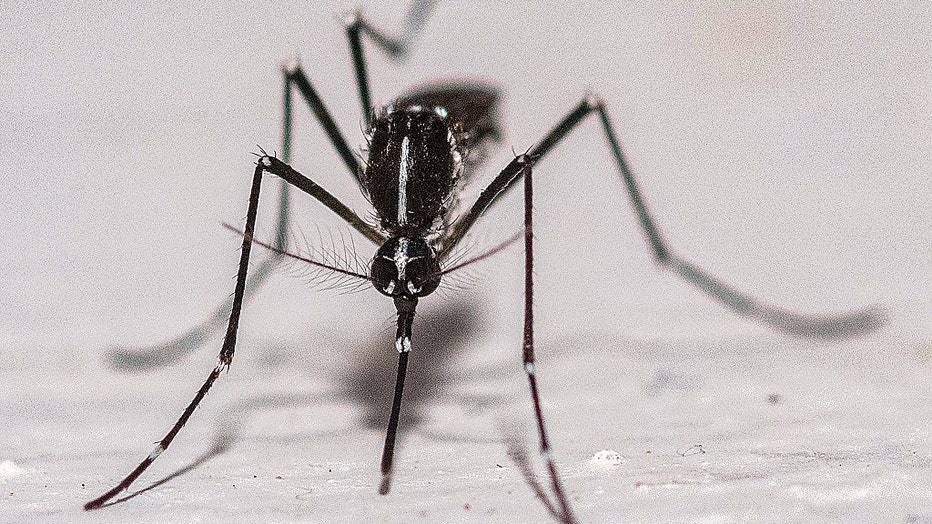
FILE - Mosquitoes were found in Iceland for the first time in history (Getty Images)
They have adapted to survive cold winters by finding shelter in buildings and basements. The species does sting, but it doesn’t carry any known infections in these regions. In other regions of the world, mosquitoes carry diseases such as malaria, dengue, West Nile virus, chikungunya, yellow fever and Zika. According to the World Mosquito Program, roughly 390 million people are infected with mosquito-borne diseases each year.
RELATED: Here's what makes you a prime target for mosquitoes
What we don't know:
Researchers can’t say for sure how the fly got to Iceland, but they likely traveled by freight, the Icelandic Institute of Natural History said.
What they're saying:
"The discovery of the mosquito adds to the growing number of new insect species that have been identified in this country in recent years, partly due to a warming climate and increased transportation," the institute said.
Where are there no mosquitoes?
Big picture view:
With the discovery of mosquitoes in Iceland, there’s only one place left in the world without mosquito sightings, according to World Population Review: Antarctica.
Mosquitoes and climate change
Dig deeper:
Climate change is warming oceans and temperatures across the globe, and Iceland has been hit particularly hard. Iceland, which lies just south of the Arctic Circle, is among the regions where temperatures are warming at more than double the rate of other areas, according to the Climate Centre.
The Source: This report includes information from the Climate Centre, World Population Review, the Icelandic Institute of Natural History and the World Mosquito Program.