

METRO budget includes $40M for road improvements as transit advocates push for rider-focused spending
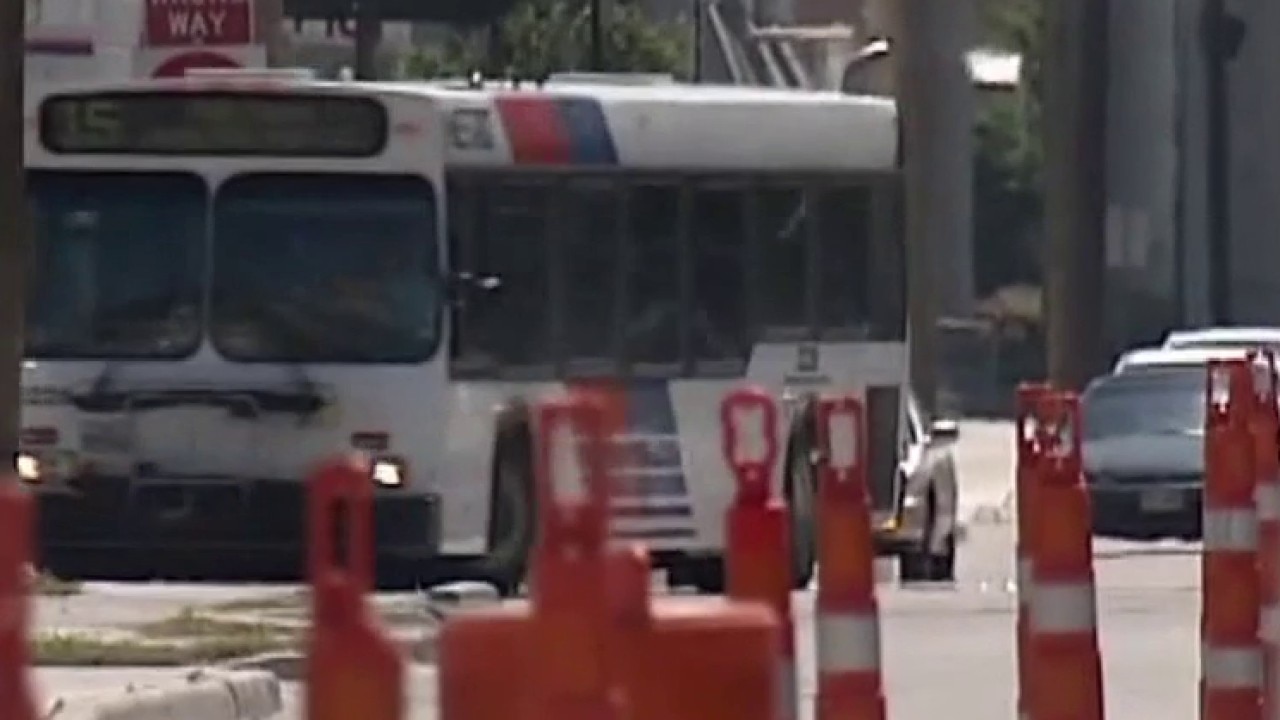
METRO proposes $40M for Houston road improvements in FY2027 budget
METRO’s proposed fiscal year 2027 budget includes $40 million for road, sidewalk and bus stop improvements along transit routes, setting up a debate over whether that money should be used to maintain infrastructure or directed more toward bus and rail service for riders.
HOUSTON - METRO’s proposed fiscal year 2027 budget includes $40 million for road, sidewalk and bus stop improvements along transit routes, setting up a debate over whether that money should be used to maintain infrastructure or directed more toward bus and rail service for riders.
Infrastructure Improvement Program
What we know:
METRO’s proposed fiscal year 2027 budget includes $40 million for roadway, sidewalk and bus stop improvements along transit routes, renewing debate over how the agency should balance maintaining the infrastructure its buses use with investments that directly affect riders.
METRO confirmed to FOX 26 Tuesday that the $40 million is included in the agency’s proposed capital budget for its Infrastructure Improvement Program.
According to METRO, the program is intended to bring roadways, sidewalks and bus stops along service routes into a state of good repair and provide customers with a safer, more reliable and more comfortable trip.
The agency says improved road conditions can also mean fewer bus repairs and fewer breakdowns caused by potholes and other roadway issues.
METRO says it considers roadway condition, service frequency, ridership and access to major destinations when deciding which corridors should be prioritized.
By the numbers:
The agency’s draft budget says METRO advanced $73.3 million in road and sidewalk repairs during FY2026, along with investments in bus shelters and ADA improvements.
METRO told FOX 26 that approximately $100.4 million was budgeted for the Infrastructure Improvement Program in FY2026. As of the end of August, the agency says about $64.4 million had been spent. METRO’s fiscal year ends Sept. 30, so that is not the final FY2026 total.
The proposed FY2027 budget also continues to include road rehabilitation within METRO’s capital program.
METRO says the Infrastructure Improvement Program is funded through its capital budget and does not use General Mobility Program funds.
What we don't know:
METRO has not finalized which roads or corridors would receive money through the FY2027 Infrastructure Improvement Program.
The agency says the final schedule will depend on factors including roadway conditions, ridership, service frequency, access to major destinations and changing travel patterns caused by major construction projects.
METRO also says an updated FY2027 Budget Book will be released with Wednesday’s board meeting and will provide more detailed information about the proposed spending.
LINK Houston weighs in
What they're saying:
LINK Houston, a nonprofit transportation advocacy organization, argues that more of METRO’s resources should be directed toward bus and rail riders.
Nick Arcos, LINK Houston’s director of communications, acknowledged that smoother roads can benefit passengers but said riders routinely identify other priorities.
"A smoother ride is more enjoyable for public transit riders," Arcos said. "But... something more enjoyable is a safe crossing... better, more accessible sidewalks... better, safer shelters with more lighting."
Arcos said LINK Houston would like to see more investment in frequent bus service, safer pedestrian crossings, improved sidewalks, shelters and better information about when buses will arrive.
He also questioned whether road repaving should be a central responsibility of the transit agency.
"METRO is a public transit agency... they’re not a road repavement agency," Arcos said. "Their funding should definitely go towards their bus riders and their rail riders."
Arcos pointed to expanded service METRO provided during FIFA events earlier this year, including more frequent buses and expanded Park & Ride service, as an example of what LINK Houston would like the agency to prioritize.
METRO argues that roadway improvements are directly connected to its transit mission because buses depend on those streets every day.
The agency says keeping roads in better condition can reduce wear on buses, prevent breakdowns and provide a smoother ride for customers.
METRO also says the Infrastructure Improvement Program is targeted specifically at roadways and related infrastructure used by METRO service.
The agency’s broader FY2027 capital plan identifies reliability as its largest capital priority.
Board to consider budget
What's next:
The METRO Board of Directors is scheduled to consider the proposed FY2027 budget at its meeting Wednesday at 9 a.m.
The meeting will be held at the Lee P. Brown METRO Administration Building, 1900 Main Street in downtown Houston.
METRO’s new fiscal year begins Oct. 1. The draft budget says the proposed FY2027 Business Plan and Budget is scheduled for board approval at the Sept. 30 meeting.
The Source: The information in this article comes from the Metropolitan Transit Authority of Harris County FY2027 Draft Business Plan and Budget, METRO communications, and a LINK Houston interview with Director of Communications Nick Arcos.