

Houston CBP seizes nearly $1 million in counterfeit lithium batteries; tech expert warns of potential dangers
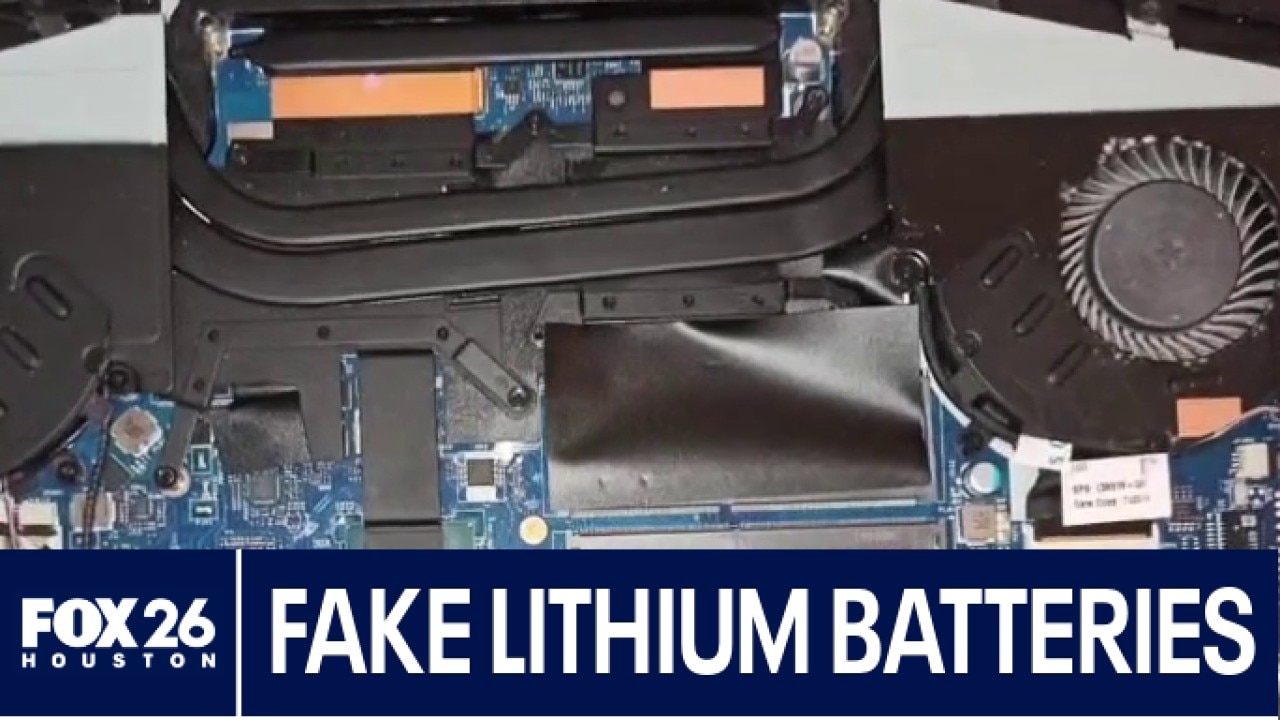
Houston CBP seizes nearly $1 million in counterfeit lithium batteries
Nearly $1 million worth of counterfeit lithium batteries have been seized in Houston, and a tech expert says the discovery serves as an important reminder for consumers to be careful when buying electronics. FOX 26's Leslie DelasBour explains.
HOUSTON - Nearly $1 million worth of counterfeit lithium batteries have been seized in Houston, and a tech expert says the discovery serves as an important reminder for consumers to be careful when buying electronics.
What we know:
U.S. Customs and Border Protection (CBP) announced Tuesday that officers at the Area Port of Houston/Galveston seized 290 cartons of lithium batteries after discovering the products were using the Bluetooth logo without authorization.
According to CBP, the batteries were branded as "EZ Kruiser" and displayed the trademarked Bluetooth logo. Following an inspection and coordination with trademark representatives, officers determined the products violated federal intellectual property laws.
While the seizure involved unauthorized branding, a local tech expert says counterfeit batteries can also raise serious safety concerns.
Tech expert warns of dangers of counterfeit batteries
FOX 26 spoke with tech expert Juan Guevara Torres, who says one of his biggest concerns with counterfeit batteries is that consumers may not realize the potential dangers until something goes wrong.
Torres says counterfeit batteries are often not manufactured to the same standards as legitimate products, which can lead to overheating, swelling and, in some cases, explosions.
He explained that improperly made batteries can also damage electronic devices, including cellphones, and may stop working after just a few charging cycles.
Torres says consumers should pay close attention to where they purchase batteries and other electronic accessories.
He recommends sticking to trusted retailers and established stores rather than purchasing electronics from unknown sellers on platforms such as Facebook Marketplace.
He also cautions consumers about purchasing inexpensive charging accessories and batteries from places such as gas stations and dollar stores, where some products may not meet the same quality standards as those sold by authorized retailers.
Another warning sign, according to Torres, is the price.
He says most legitimate batteries tend to fall within a similar price range, so if a product is being sold for significantly less than what consumers are accustomed to paying, that could be a sign something isn't right.
CBP says counterfeit goods are a growing concern
CBP officials say counterfeit merchandise is not only a problem for consumers but also for legitimate American businesses.
"These global criminal networks do great harm to hard-working American businesses who play by the rules," said Area Port Director John Landry.
Landry added that counterfeit products can hurt the economy and that profits from fake merchandise may also support other criminal activities, including money laundering and drug trafficking.
The agency says officers in Houston have made several significant counterfeit seizures in recent months, including watches, children's toys and FIFA World Cup merchandise.
According to CBP, nearly 90% of its intellectual property rights seizures involve goods originating from China and Hong Kong.
Officials say counterfeit products can be particularly concerning when they involve electronics, automotive parts, medications and other items that may pose health and safety risks.
How consumers can protect themselves
CBP encourages consumers to take a few precautions before purchasing electronics or other products:
Buy directly from manufacturers or authorized retailers whenever possible.
Check online seller reviews and verify that the business has legitimate contact information.
Be cautious of unusually low prices, especially on batteries and charging accessories.
Avoid purchasing electronics from sellers whose products or business information cannot be verified.
Pay attention to warning signs such as overheating, swelling or unusually short battery life.
Consumers who suspect counterfeit merchandise can report possible violations through CBP's Trade Violations Reporting website or by calling 1-800-BE-ALERT.
CBP says its officers will continue working to stop counterfeit merchandise from entering the United States while protecting consumers and legitimate businesses.
The Source: FOX 26 spoke with tech expert Juan Guevara Torres as well as Area Port Director John Landry.