

Hamas dismisses Trump's 'last warning' or 'hell to pay' threat: What to know
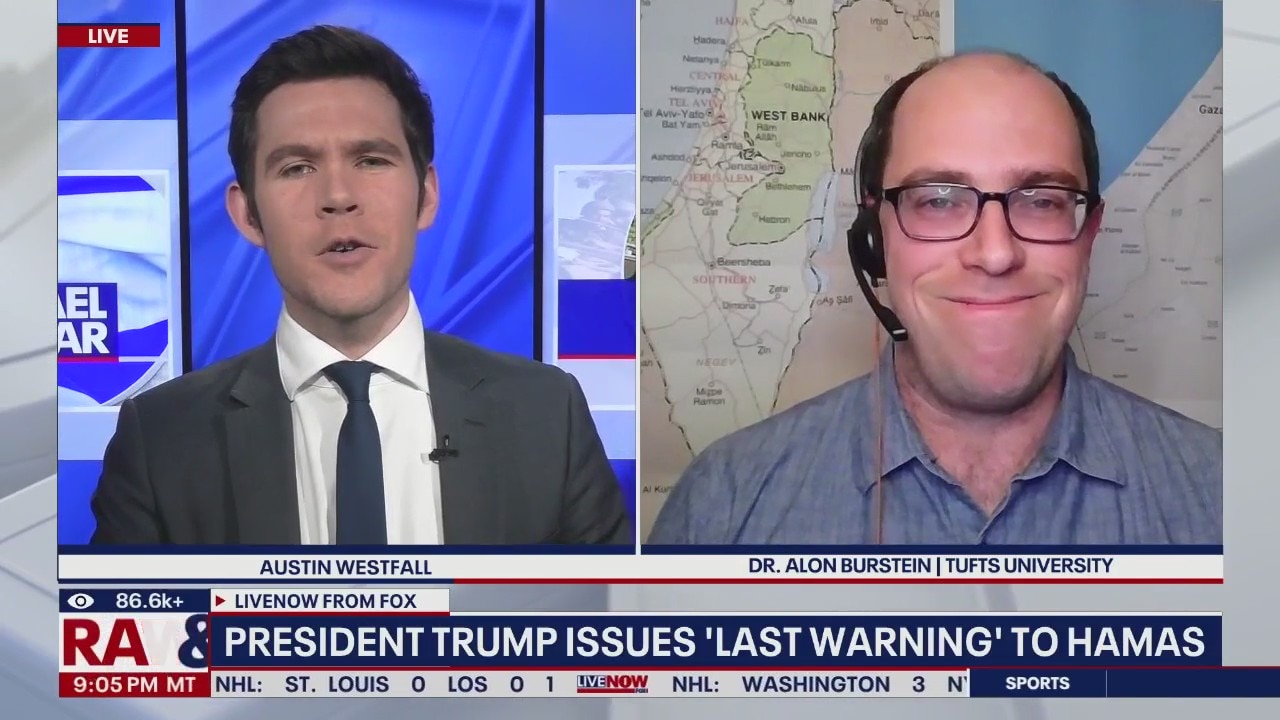
Trump issues 'last warning' to Hamas
President Donald Trump issued what he called his "last warning" to Hamas to release all remaining hostages held in Gaza. Dr. Alon Burstein of Tufts University joins LiveNow from FOX to discuss.
Hamas dismissed President Donald Trump’s "hell to pay," "last warning" threat over remaining Israeli hostages, reiterating that hostages will only be freed in exchange for a more permanent ceasefire in Gaza.
On Wednesday, Trump issued what he said was a "last warning" to Hamas after meeting with eight former hostages. The White House confirmed it had held unprecedented direct talks with Hamas, which Israel and Western countries view as a terrorist organization.
RELATED: 'Last warning': Trump again threatens Hamas with 'hell to pay'
What did Trump say to Hamas?
What they're saying:
"Release all of the Hostages now, not later, and immediately return all of the dead bodies of the people you murdered, or it is OVER for you," Trump wrote on his Truth Social platform. "Only sick and twisted people keep bodies, and you are sick and twisted!"
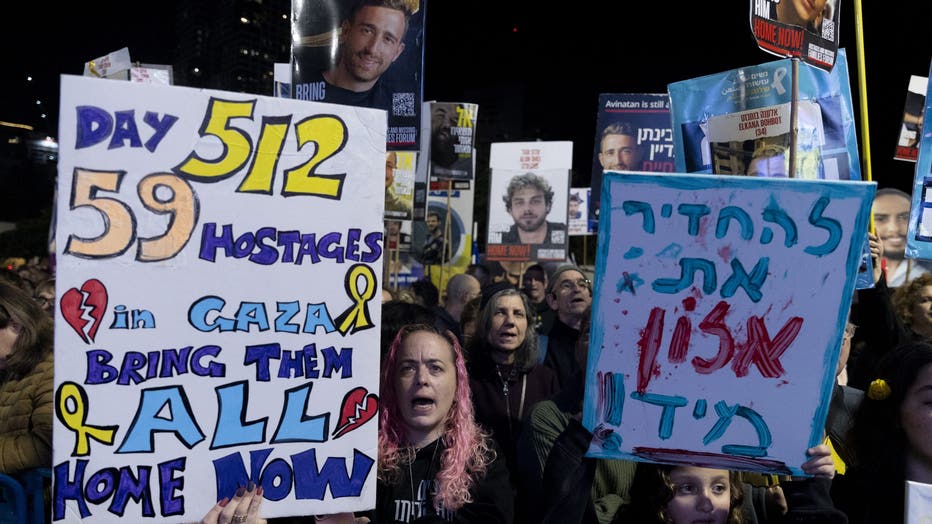
Protesters hold photos of hostages held by Hamas in the Gaza Strip during a demonstration calling for the release of all hostages on March 1, 2025 in Tel Aviv, Israel. (Photo by Amir Levy/Getty Images)
What did Hamas say?
The other side:
In response to Trump’s message, Hamas said the "best path to free the remaining Israeli hostages" is through negotiations on that phase, which were supposed to begin in early February. Only limited preparatory talks have been held so far.

U.S. holding direct talks with Hamas, WH confirms
White House Press Secretary Karoline Leavitt said Wednesday that the U.S. is holding direct talks with Hamas in an effort to free more Israeli hostages. The FDD's Joe Truzman joins LiveNOW's Andrew Craft to discuss.
Hamas accused Trump and Israeli Prime Minister Benjamin Netanyahu of trying to back out of the ceasefire agreement they reached in January. The agreement calls for negotiations over a second phase in which the hostages would be released in exchange for more Palestinian prisoners, a permanent ceasefire and an Israeli withdrawal from Gaza.
How many hostages does Hamas have?
Dig deeper:
Hamas is believed to still have 24 living hostages taken in the Oct. 7, 2023, attack that triggered the war, including Israeli-American Edan Alexander. It is also holding the bodies of 34 others who were either killed in the initial attack or in captivity, as well as the remains of a soldier killed in the 2014 war.
RELATED: The Insurrection Act: What is it and could Trump invoke it?
Hamas released 25 Israeli hostages and the bodies of eight more in exchange for nearly 2,000 Palestinian prisoners in the first, 42-day phase of the ceasefire, which ended on Saturday.
Although Trump singled out Hamas for keeping bodies, Israel and Hamas have a longstanding practice of holding onto the remains of their adversaries in order to trade them in hostage-prisoner deals.
Where do ceasefire negotiations stand?
What we know:
Israel supports what it says is a new U.S. plan for the second phase in which Hamas would release half the remaining hostages immediately and the rest when a permanent ceasefire is negotiated. Hamas has rejected the proposal and says it is sticking with the agreement signed in January.
Israel has cut off the delivery of food, fuel, medicine and other supplies to Gaza's roughly 2 million Palestinians in an attempt to pressure Hamas into accepting the new arrangement. It has threatened "additional consequences" if Hamas does not resume the release of hostages.
What we don't know:
It's unclear if the U.S.-Hamas talks made any progress. The Trump administration has pledged full support for Israel's main war goals of returning all the hostages and eradicating Hamas, which may be incompatible.
Israel-Hamas war casualties
The backstory:
Hamas-led militants killed some 1,200 people, mostly civilians, in the Oct. 7 attack and took a total of 251 people hostage. Most have been released in ceasefire agreements or other arrangements. Israeli forces have rescued eight living hostages and recovered the bodies of dozens more.

Israel-Hamas ceasefire in limbo as aid blocked
The FDD's Ben Cohen joins LiveNOW's Andrew Craft to examine the current state of ceasefire talks related to the Israel-Hamas war.
Israel's military offensive has killed over 48,000 Palestinians, mostly women and children, according to Gaza's Health Ministry, which does not say how many of the dead were militants. Israel says it has killed over 17,000 fighters, without providing evidence.
The offensive destroyed vast areas in Gaza and displaced most of its population. Hundreds of thousands of people are living in tents, schools-turned-shelters or war-damaged buildings, and the population relies on international aid.
The Source: This report includes information from The Associated Press.