

Ultrasound treatment stopping tremors without surgery
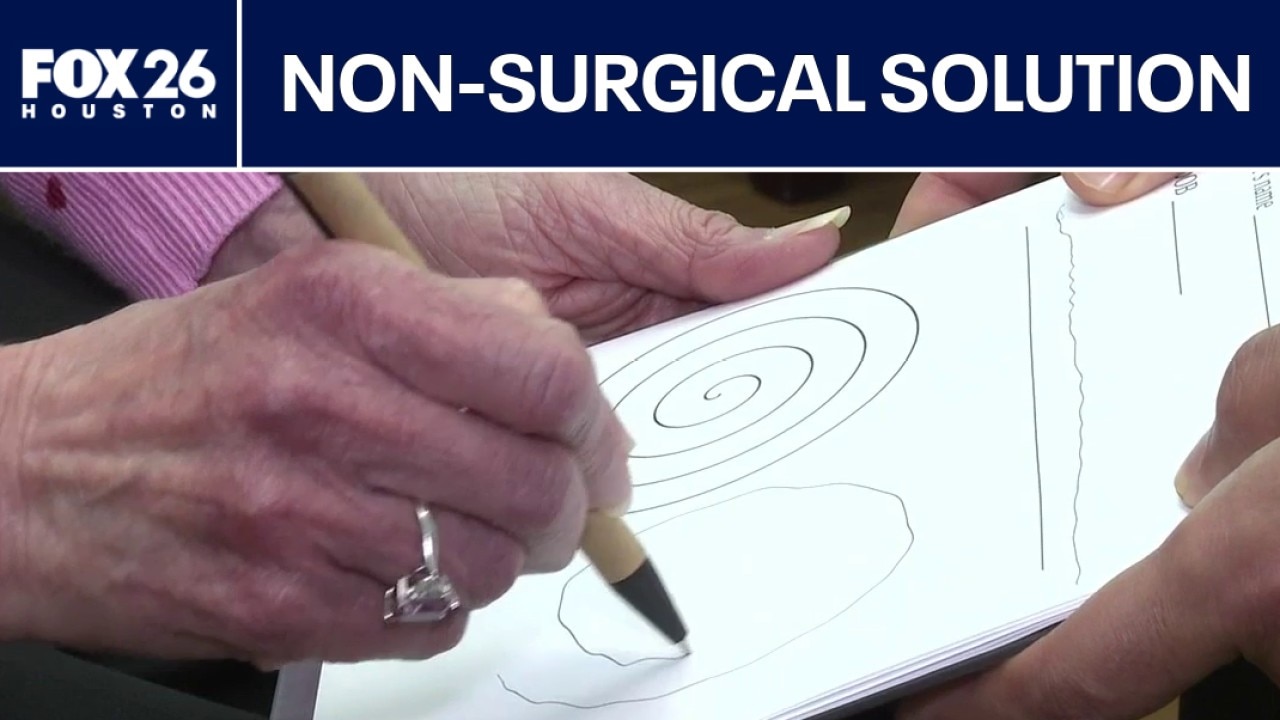
Non-surgical solution to stop tremors
A woman diagnosed with essential tremor found relief through MRI-guided focused ultrasound in The Woodlands. FOX 26's Melissa Wilson spoke to a neurologist and a patient who underwent treatment.
THE WOODLANDS, Texas - A woman diagnosed with an essential tremor found relief through non-surgical treatment in The Woodlands.
Previous treatment for tremors
The backstory:
Kendra Wetuski first noticed subtle shaking in her hands and balance issues.
A neurologist diagnosed her with essential tremor, a movement disorder that causes involuntary shaking, most often in the hands and forearms. It's estimated to be seven to eight times more common than Parkinson's disease, and it's believed to have a genetic component as it often runs in families.
Tremors can affect independence, employment and social confidence. As Wetuski's symptoms progressed, everyday tasks became difficult and embarrassing.
While medications can help some patients manage symptoms, others continue to struggle. For some patients, emerging technology may offer symptom relief when medication fails.
‘It impacted every part of my life’
What they're saying:
Wetuski started seeking treatment for her tremors in 2021. Over time, the tremors worsened and began interfering with her daily life.
"I couldn’t eat in front of people. I couldn’t pick up a glass and drink without it rattling against my teeth, or even pluck my own eyebrows," Wetuski says.
Medication did not provide enough relief, leading her to consider MRI-guided focused ultrasound at Memorial Hermann Mischer Neuroscience Associates.
After evaluation and imaging to confirm she met eligibility criteria, Wetuski went through with the ultrasound.
Immediately after the procedure, she said her tremor stopped. Doctors advised her to rest for several days before resuming normal activities.
Non-surgical solution
How It Works:
Memorial Hermann Mischer Neuroscience Associates in Houston offers MRI-guided focused ultrasound. Physicians emphasize that candidates must undergo MRI screening and meet specific criteria before treatment.
Magnetic Resonance Imaging (MRI) -guided focused ultrasound is a less invasive option designed to target a specific area of the brain responsible for tremors without traditional surgery. The focused ultrasound procedure uses hundreds of ultrasound beams directed at a precise target in the brain to create a permanent therapeutic effect.
The procedure can also help patients with Parkinson's Disease.
"We refer to this as a less invasive alternative for treating these brain conditions than what we had before. Besides the head shave and positioning, there really isn’t much to endure in the way of an invasive procedure," Dr. Sam P. Javedan explains.
Doctors say ongoing follow-up is important to monitor long-term outcomes and potential side effects. Some patients may experience temporary balance issues after the procedure.
Big picture view:
Advances in imaging and targeted therapies are reshaping how physicians treat movement disorders. Focused ultrasound represents a shift toward incision-free procedures that aim to reduce risk and recovery time compared with traditional brain surgery.
What you can do:
If you or a loved one experiences persistent tremors, consult a neurologist for evaluation. Ask about all available treatment options, including medication management and procedural therapies.
Click here to learn more about essential tremor and focused ultrasound treatment.
Click here for information on the International Essential Tremor Foundation.
The Source: We interviewed Kendra Wetuski and Dr. Sam P. Javedan of Memorial Hermann Mischer Neuroscience Associates to gather information for this story.