

These new Texas laws take effect New Year's Day
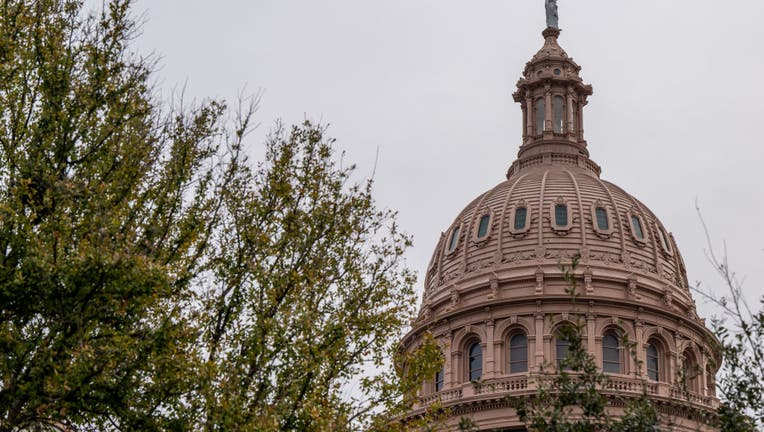
AUSTIN, TEXAS - FEBRUARY 18: The exterior of the Texas State Capitol on February 18, 2023 in Austin, Texas. (Photo by Brandon Bell/Getty Images)
AUSTIN, Texas - Texans will ring in the new year with dozens of new laws taking effect, ranging from a regulatory framework for artificial intelligence to tax exemptions for business owners and agreements between federal immigration agents and local sheriff's offices.
Over 800 laws took effect in September from this year's regular session. The new laws taking effect come from the regular session and the second special session.
New Texas laws taking effect on Jan. 1
Texas sheriffs must work with US Immigration and Customs Enforcement
Senate Bill 8 from the regular session requires all sheriffs in Texas to work with U.S. Immigration and Customs Enforcement by serving federal immigration warrants at local jails.
The bill requires sheriffs to request partnerships with ICE, known as 287(g) agreements. The agreements allow ICE to authorize local authorities to perform certain types of immigration enforcement in local jails, including allowing officers to question inmates about their immigration status and serve administrative warrants.
In its original form, the bill would have applied only to counties with populations over 100,000. On May 24, the House passed an amended version in an 89-50 vote that would apply to all sheriffs in the state.
Exempting $125,000 of a business's inventory from taxes
House Bill 9 will exempt up to $125,000 of business' inventory from being taxed by counties, cities and school districts. Currently, the inventory is not taxed if it is valued under $2,500. The law takes effect after voters approved a related constitutional amendment in November. The legislative budget board said the result of the exemption would amount to a reduction of $442 million in local revenue for 2027 unless cities and counties adopt higher tax rates.
Speeding up the eviction process for squatters
Senate Bill 38 speeds up the eviction process for squatters. Supporters said the law was aimed at making it easier for landlords to remove squatters and provide less time-consuming ways for landlords to handle "serial non-payment of rent." Critics say the law isn't narrowly tailored enough and could make things difficult for renters by shortening the timeline for them to respond to an eviction notice.
AI regulation
House Bill 149 establishes a comprehensive framework for the governance, oversight, and responsible use of artificial intelligence in Texas. It defines AI broadly, restricts the misuse of biometric data, and requires government agencies to disclose when consumers interact with AI systems. The law prohibits AI designed to incite self-harm, crime, unlawful discrimination, social scoring by government, or the creation/distribution of certain harmful or sexually exploitative content. The law also creates a statewide AI regulatory sandbox for controlled testing and the Texas Artificial Intelligence Council to advise on AI policy and ethical considerations.
Big picture view:
In total, 31 bills passed during the regular session and two bills passed during the second special session go into effect on Jan. 1. A full list of regular session bills can be found here, and special session bills can be found here.
The Source: Information in this article comes from the Texas Legislature and previous FOX reporting.