

Breast Cancer Awareness Month: Why mammograms, early detection saves lives
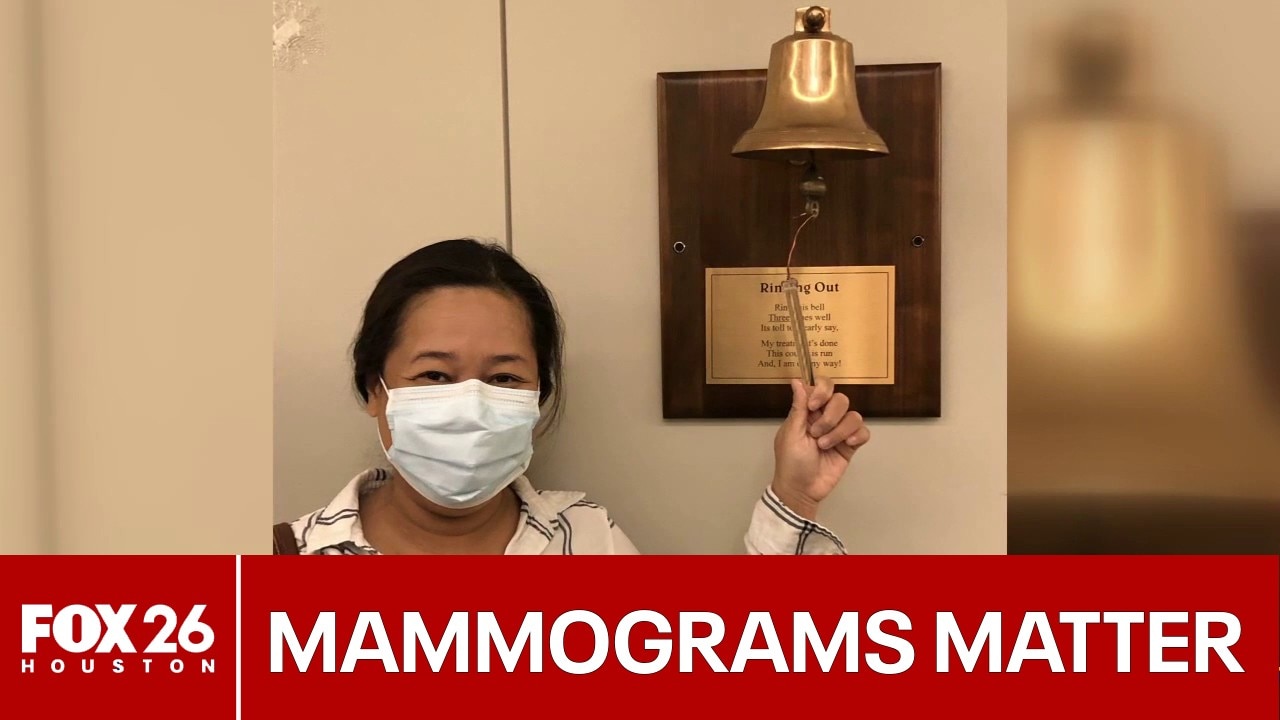
Early mammogram caught breast cancer, doctors urge screening
October is Breast Cancer Awareness Month and doctors are reminding women not to delay getting life-saving screenings. FOX 26's Melissa Wilson spoke with a patient who is living proof about why early detection is critical.
HOUSTON - Major imaging societies continue to recommend annual screening mammograms for women at average risk of breast cancer beginning at age 40.
Doctors recommend women begin risk assessment conversations with their primary care provider starting at age 25 to build a personalized screening plan. Women who are high risk should consult their healthcare providers to map out a specialized program.
Houston-area woman's breast cancer diagnosis
The backstory:
When Trang Le fell ill at 18-years-old, she was initially diagnosed with kidney failure. She underwent her first kidney transplant at 20.
Eighteen years later, Le was told her kidney transplant failed, and she had to start home peritoneal dialysis for four years.
In 2020, her nephrologist recommended a routine mammogram while on dialysis and preparing for a new kidney transplant. That routine screening lead to an unexpected breast cancer diagnosis on her right breast at 40-years-old.
Le underwent surgery at University of Texas MD Anderson Cancer Center to remove the tumor, followed by one month of radiation treatment.
Two years later, after completing breast cancer treatment, Le successfully received her second kidney transplant.
She is now five years post-diagnosis and remains cancer-free.
What they're saying:
"Women need to think about breast cancer detection earlier than ever, so we do recommend that they start with a risk assessment by their primary care provider starting at age 25," says Dr. Megan Kalambo, Breast Imaging Radiologist at UT MD Anderson Cancer Center. "The American College of Radiology and the Society of Breast Imaging continue to recommend that women get annual screening starting at age 40 if they are average risk, and I know we are all as women juggling so many things, but this is one way that we can really ensure that we are caring for ourselves so that we can care for other people as well."
"I was on dialysis for kidney failure when my nephrologist suggested I go and get a mammogram because I was turning 40, and that is when they confirmed I had breast cancer on my right breast," says Trang Le, a breast cancer survivor. "Because it was early detection, I did not have to get chemo and only had to do one month of radiation after surgery, so I really want to share that early detection is so important because if I had waited longer, my journey would have been more difficult and invasive."
Why early detection matters
Why you should care:
Many women delay routine preventative care due to busy lives, stress, or existing health problems. Le's experience demonstrates that prioritizing screening despite major health crises can lead to early detection, less invasive treatments, and better long-term outcomes.
What you can do:
Women can take proactive steps to prioritize their breast health:
- Schedule an annual wellness exam to discuss individual breast cancer risk factors at age 25.
- Practice monthly self-breast awareness and report any changes or abnormalities to a physician.
- Schedule an annual mammogram starting at age 40 for average-risk screening.
Dig deeper:
To learn more, head to the MD Anderson website.
The Source: FOX 26's Anchor/Medical Reporter Melissa Wilson interviewed Dr. Megan Kalambo and Trang Le to gather information for this story.