

'Otherworldly': Artemis II astronauts describe mission at conference in Houston
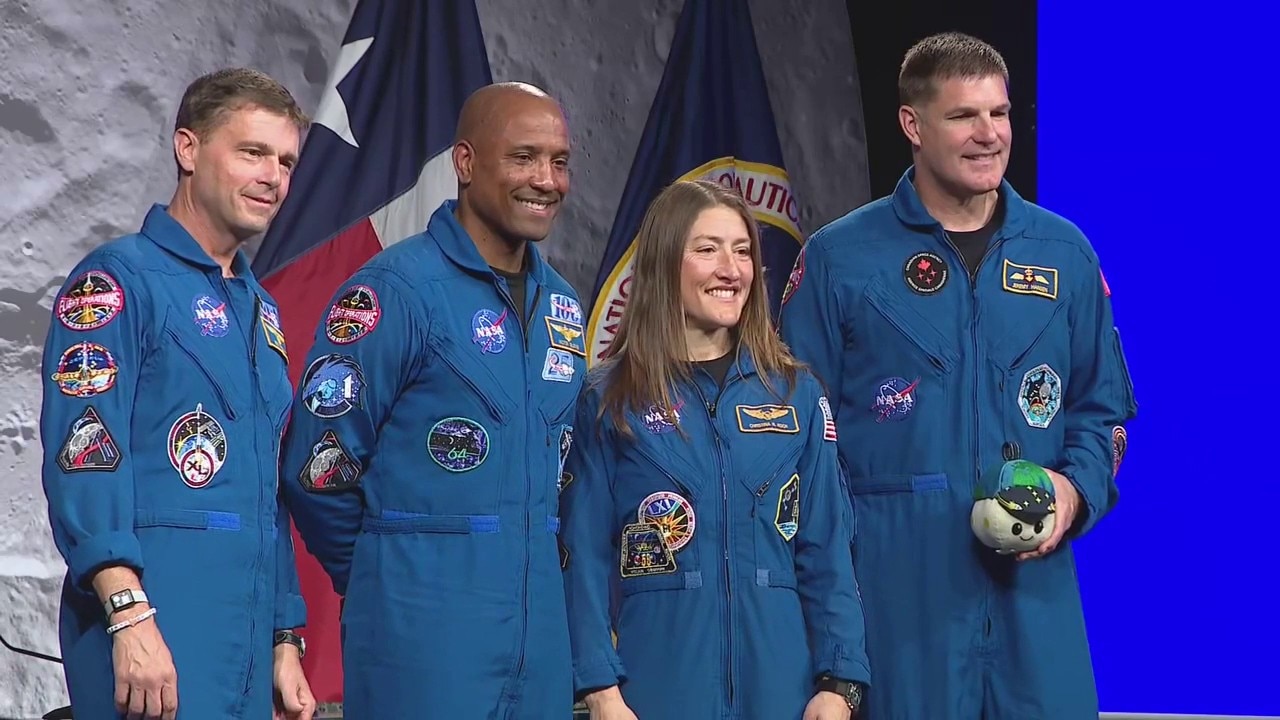
Full video: Artemis II astronauts describe Moon mission
Astronauts Jeremy Hansen, Christina Koch, Victor Glover and Reid Wiseman answer questions about their journey to the Moon and what the return to Earth has been like.
HOUSTON - The crew of the Artemis II mission appeared again in Houston to answer questions about the landmark lunar mission for NASA.
Artemis II crew in Houston
NASA astronauts Reid Wiseman, Victor Glover, and Christina Koch, and Canadian Space Agency (CSA) astronaut Jeremy Hansen, discussed the mission with a crowd Thursday afternoon in Space City.
The crew discussed topics ranging from the teamwork they experienced and honed through the mission, to the global impact of the developing program, to the technical aspects of the Orion spacecraft and challenges they faced throughout the 10-day trip.
Ultimately, the astronauts expressed optimism and excitement about the future of space travel, looking forward to the eventual goal of setting up a long-term operation on the Moon, and someday propelling humanity even further toward the stars.
Featured
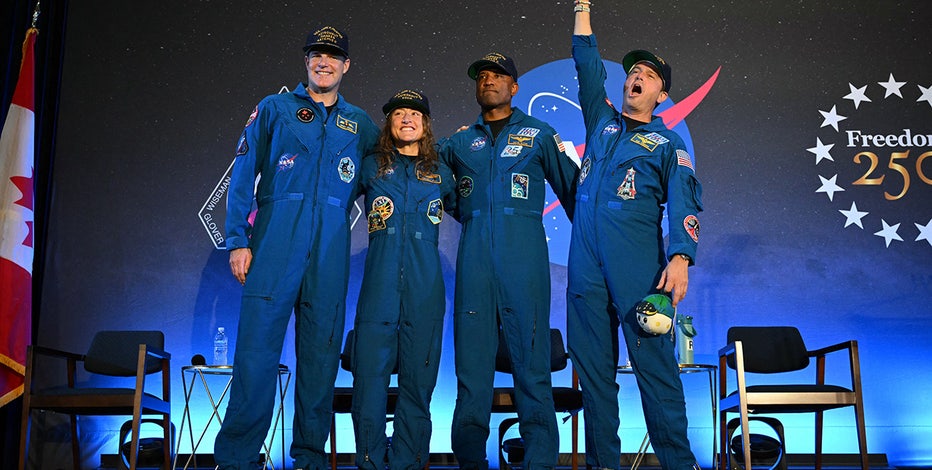
Artemis astronauts give first public remarks after moon flyby mission: Here's what they said
The crew of Artemis II received a rousing ‘welcome home’ as they offered their first comments since returning to Earth after the longest trip any human has ever made.
Overwhelming experience of space
Of the multitude of overwhelming emotions experienced by the astronauts, the main takeaway relayed in their interviews has been the awe-inspiring feelings of witnessing space from outside the bounds of planet Earth. Wiseman, the commander for the mission, responded to one reporter who asked about the profundity of such an experience, recalling an Apollo 14 astronaut who returned to Earth and devoted the rest of his life to studying human consciousness.
Wiseman said his own experience upon returning home began with breaking down in tears to the chaplain on the Navy ship that picked up the crew after they splashed down. The commander said everything they witnessed is unfathomably difficult for the mind to grasp.
"When the sun eclipsed behind the moon, I think all four of us, I turned to Victor and I said, 'I don't think humanity has evolved to the point of being able to comprehend what we're looking at right now.' Because it was otherworldly, and it was amazing," Wiseman said.
Glover then weighed in as well, saying the crew is still working to process and unpack their feelings and emotions.
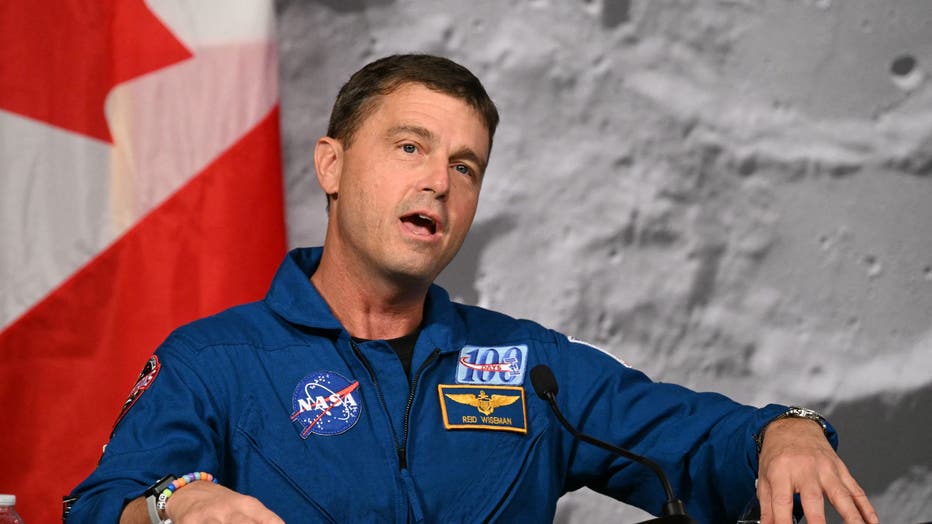
NASA's Artemis II mission commander Reid Wiseman speaks during a press conference at Johnson Space Center in Houston, Texas, on April 16, 2026. The four astronauts of Artemis II did the first slingshot around the Moon in more than 50 years and travel
Artemis program belongs to humanity
While NASA is at the forefront of the program, the U.S. is collaborating with a multitude of other nations in developing science and technology to achieve their long-term goals. The astronauts reflected Thursday on the encompassing nature of the program, rejecting the idea that their mission was theirs alone.
The sentiment was shared by Hansen, the Canadian astronaut, after Glover had answered a reporter's question about how the gravity of their achievement had hit them.
"I love your question, but you say what you guys did, what the four of you did, and we just don't see it that way," Hansen said. "We should be rewording that question to what we did. That's what this was."
Koch then shared that she and the rest of the crew were happy to have shared in making a difference to humanity as part of a larger whole.
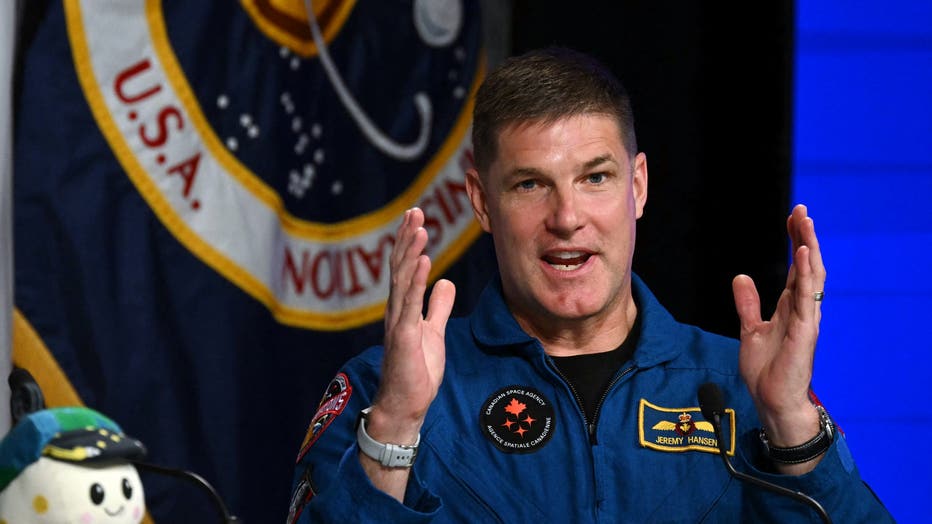
NASA's Artemis II mission astronaut Canadian Space Agency's Jeremy Hansen speaks during a press conference at Johnson Space Center in Houston, Texas, on April 16, 2026. The four astronauts of Artemis II mission did the first slingshot around the Moon
One step closer to landing on the Moon
Artemis II achieved the second step in getting humanity back to the Moon, with the world's eyes on the future of a program that aims to set up permanent lunar operations. One reporter asked the crew how realistic they now feel about actually landing on the surface of the Moon and establishing a settlement.
Wiseman answered the question by saying lunar missions have changed since the Apollo program.
"It's not the leap I thought it was. Once we're around the moon, we're in the vacuum of space, we got a six-stop vehicle that's handling great," Wiseman said. "If you had given us the keys to the lander, we would have taken it down and landed on the Moon."
The crew expressed agreement that the ultimate mission of the program is not only doable, but doable in the near future.
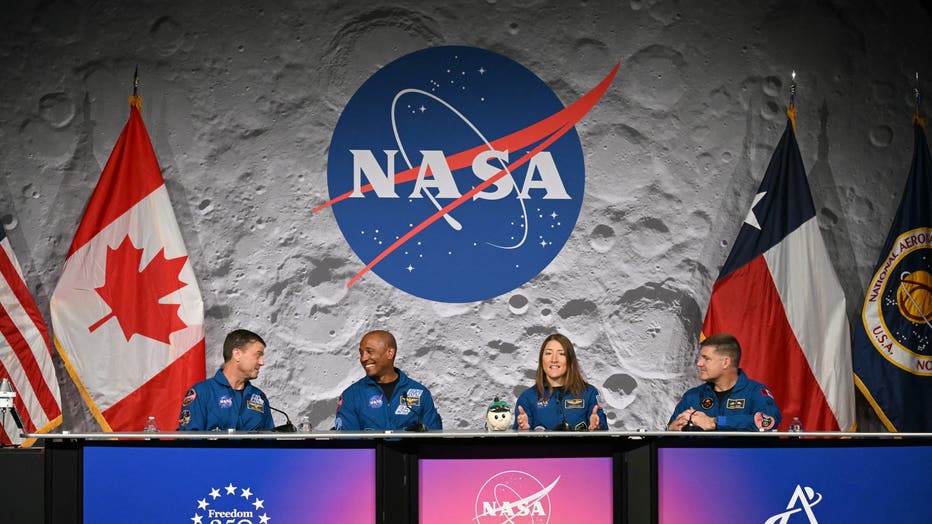
(L-R) NASA's Artemis II mission astronauts, commander Reid Wiseman, Victor Glover, Christina Koch and Canadian Space Agency's Jeremy Hansen attend a press conference at Johnson Space Center in Houston, Texas, on April 16, 2026. The astronauts did the
NASA's Artemis space program
Dig deeper:
The Artemis program is a Moon exploration effort by NASA, aimed at returning humans to the Moon for the first time since the Apollo program ended in the 70s. The main mechanical elements of the program consist of hardware systems developed for past programs, combined with improved modern tech. The program kicked off in 2017.
In 2022, the unmanned Artemis I mission sent an Orion spacecraft to lunar orbit. This year, Artemis II sent the four astronauts around the Moon and back, splashing down in the ocean off the coast of California on April 10.
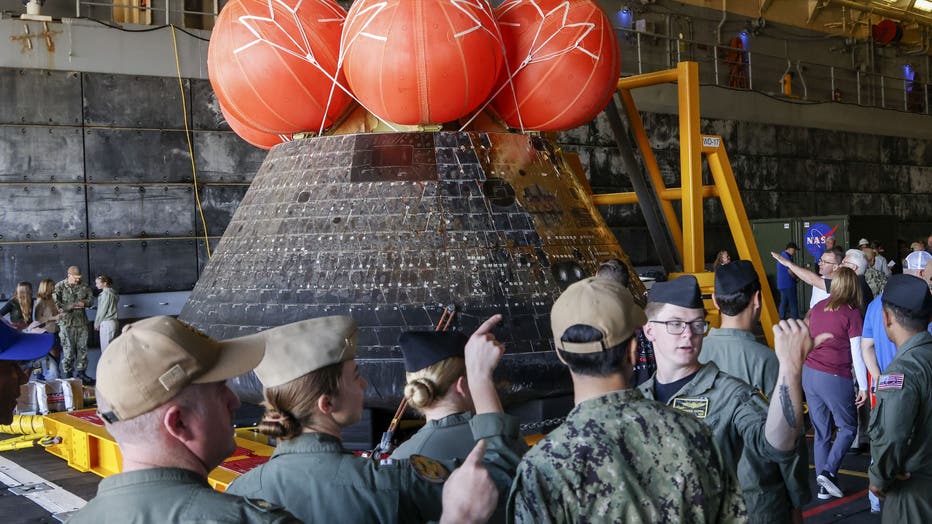
SAN DIEGO, CALIFORNIA - APRIL 11: The Artemis II Orion Capsule sits aboard the USS Murtha at Naval Base San Diego on April 11, 2026 in San Diego, California. The ten-day mission around the moon culminated in a successful splashdown off the coast of S
What's next:
Artemis III is scheduled for 2027, intending to test a lunar lander in Earth orbit. Humans are first set to land on the Moon again in 2028. Eventually, the program hopes to culminate in a permanent base on the Moon, taking a step further toward deep space travel.
The Source: Information in this article comes from NASA and the Artemis II crew.