

Screwworm in Texas: Infested Zone established after confirmed case in Gillespie County
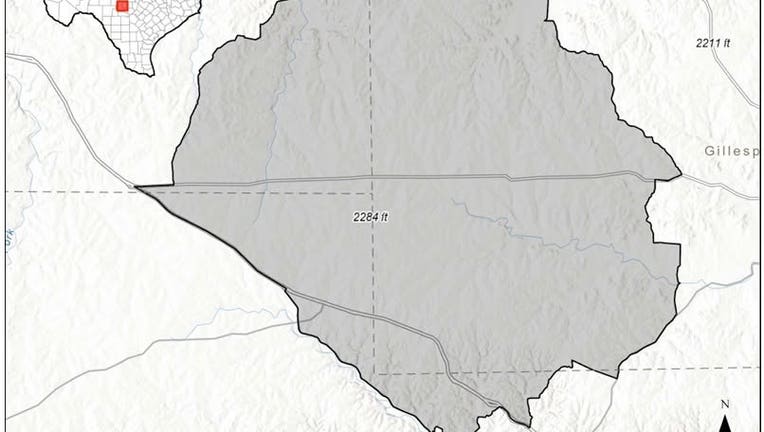
GILLESPIE COUNTY, Texas - Fredericksburg/Gillespie County Emergency Management has announced the establishment of "Infested Zone 03" by Texas Animal Health Commission due to the confirmed screwworm goat case near Harper.
What does "Infested Zone 03" mean?
Why you should care:
Warm-blooded animals located within "Infested Zone 03" may not be moved outside of the zone without prior authorization from the Commission.
Any person in possession or control of such animals must obtain permission and comply with all conditions set by the Commission before transporting the animals beyond the quarantine boundaries.
Officials say to move warm-blooded animals outside of "Infested Zone 03", the animal must be inspected and treated as required by the Commission and issued a permit or certificate for movement by a Commission representative.
Hides, carcasses, and parts of any animal capable of serving as a host for New World screwworm must be inspected and undergo any treatment deemed necessary by a Commission representative prior to removal from the "Infested Zone 03".
An interactive map can be found here.
Officials note that on the interactive map, the zone below is yellow and is the focus area where animal movement is restricted without inspection and approval. The larger blue area is an area of additional surveillance to check for cases near the yellow Infested Zone.
The backstory:
The NWS goat case was confirmed on June 8. It was the fourth case in Texas.
The three other Texas cases were in cattle in Zavala County, southwest of San Antonio, and La Salle County, northeast of Laredo.
Another case was found in a dog and reported in Andrews County, Texas, but officials say the dog actually resides in Lea County, New Mexico.
Featured
New World screwworm detected in Central Texas; officials confirm case in Gillespie County
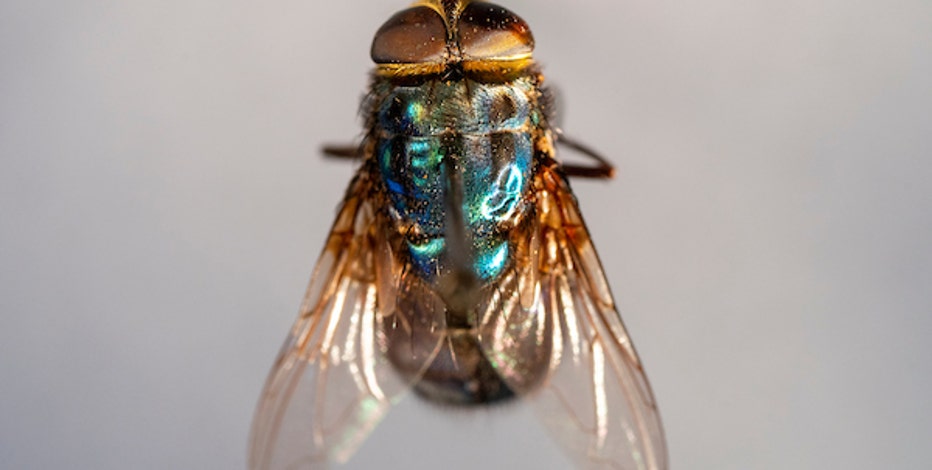
The New World screwworm has been detected in Central Texas.
Dig deeper:
The New World screwworm is considered one of the most devastating livestock and wildlife pests in history.
The insect gets its name because it’s only found in the Americas.
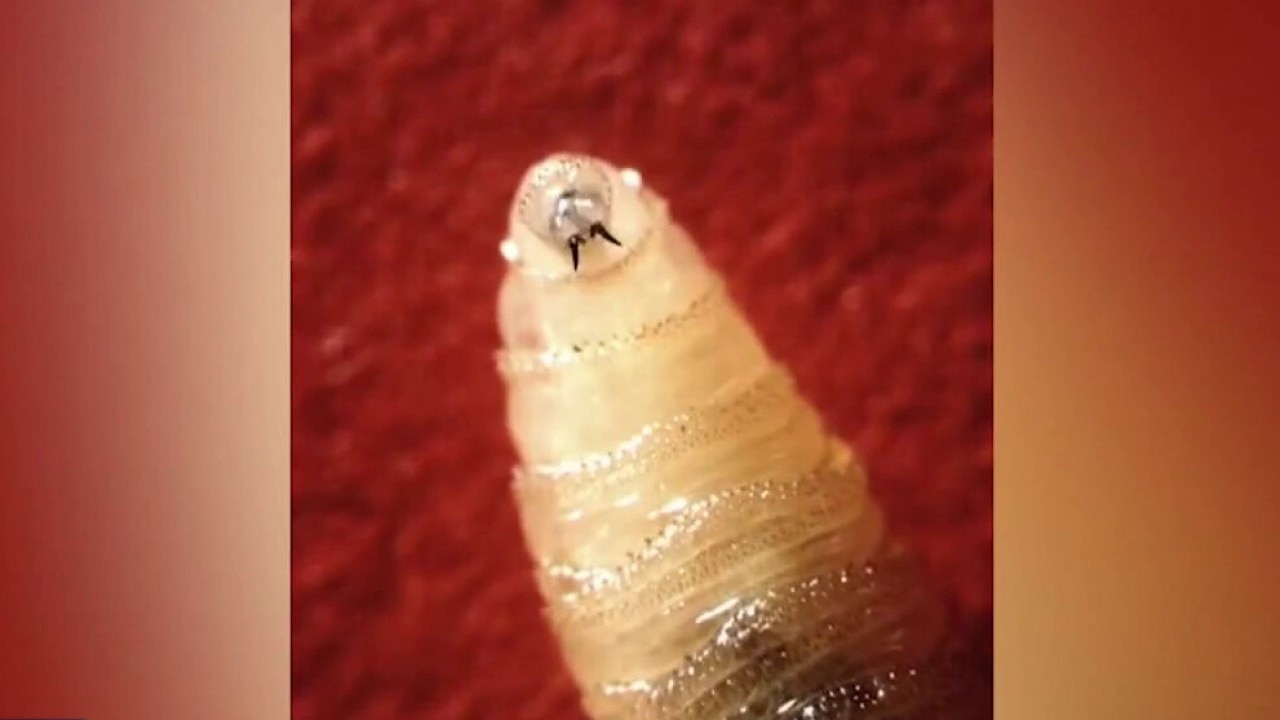
It lays its eggs in the open wounds of animals, and its larvae become parasites. Unlike common fly larvae, screwworm maggots burrow into and feed exclusively on the living flesh of warm-blooded animals, causing severe injury, massive economic loss, and death if left untreated.
While rare, they can also infect humans.
Fifth case of New World screwworm confirmed
Officials have confirmed a fifth case of New World screwworm in Central Texas, a goat. FOX 7 Austin's Meredith Aldis reports.
The screwworm was mostly eradicated in Texas and the rest of the United States in the 60s. But now, it’s moving north up from Panama and has a known presence a little over 300 miles south of the Texas-Mexico border.
To eradicate the population, federal officials are expediting the release of billions of laboratory-raised sterile flies, deploying ground release chambers to supplement the four million sterile flies already being dispersed aerially in the region each week. When wild flies mate with the sterile flies, no offspring are produced, eventually collapsing the population.
What you can do:

Screwworm risk and household pets
While state animal health officials race to contain the New World screwworm, federal officials confirmed the first case of the parasite in a dog. FOX 7 Austin's Alec Nolan has more on what pet owners might want to be aware of.
Officials are urging people to check their pets and livestock daily for:
- Draining or enlarging wounds
- Maggots or egg masses
- Signs of discomfort or irritability
- Lesions around body openings, such as the ears, nose, genitals and umbilical area
Anyone who suspects an infestation is urged to immediately contact their veterinarian, state animal health official or the USDA.
Officials are also asking people to help reduce fly populations.
The Source: Information in this report comes from the USDA, Fredericksburg/Gillespie County Office of Emergency Management and previous reporting by FOX 7 Austin and FOX Texas Digital.