

Houston group pushes for parking reform, saying requirements drive up costs and limit development
HOUSTON - Could Houston's massive parking lots be costing residents more than they realize?
One organization believes the answer is yes, and it's pushing for changes to the city's parking requirements, arguing that the land used for parking could instead help create more affordable housing, support small businesses and make neighborhoods easier to walk around.
The push to rethink parking in Houston
Big picture view:
Strong Towns Houston, a local volunteer group affiliated with the national nonprofit Strong Towns, is raising awareness about minimum parking requirements and the impact they can have on development, housing costs and the environment.
The organization says its goal isn't to eliminate parking altogether, but to give developers and business owners more freedom to determine how many parking spaces they actually need.
What does the City of Houston require?
The backstory:
Under Chapter 26 of Houston's Code of Ordinances, many new developments and certain changes to existing properties must provide a minimum number of off-street parking spaces.
Those requirements depend on the type and size of the development. For example, the city's parking regulations include requirements for apartment buildings, restaurants, retail stores and office buildings.
According to city regulations and permitting guidance:
- A one-bedroom apartment generally requires approximately 1.33 parking spaces.
- A two-bedroom apartment generally requires approximately 1.67 parking spaces.
- A freestanding retail store generally requires four parking spaces for every 1,000 square feet of gross floor area.
The exact requirements can vary depending on the development and whether it qualifies for an exemption or reduction.
Houston has already eliminated minimum parking requirements in certain areas, including downtown and portions of Midtown and East Downtown. The city also allows parking reductions for qualifying developments near certain transit corridors.
However, Strong Towns Houston believes the city should go further.
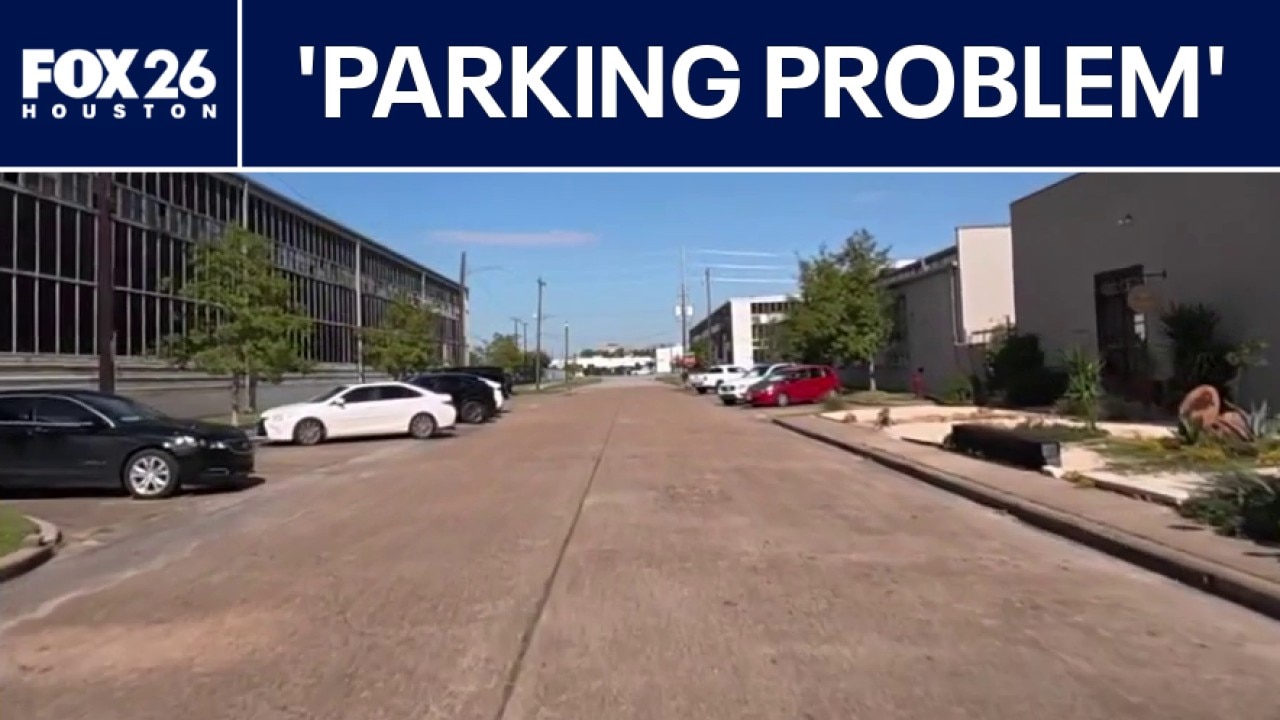
Houston parking spots driving up costs, says advocacy group
A Houston grassroots group is challenging the city's requirement for parking spaces, arguing that large lots have a large impact on costs, communities, and the environment. FOX 26's Leslie DelasBour explains the requirement and spoke to advocates against those requirements.
How parking requirements can affect housing costs
Why you should care:
Ruben Garza, a Local Conversation leader with Strong Towns Houston, says the organization's push for parking reform is closely connected to housing affordability and economic development.
Garza explained that minimum parking requirements can force developers to dedicate land and money to parking before they can move forward with a project. Those expenses, he argues, can eventually be passed along to residents and customers.
By the numbers:
According to figures shared by parking reform advocates, a single parking space in a parking garage can cost at least $20,000 to construct, with costs potentially reaching $40,000 to $60,000 in more densely developed areas.
The group also cites research suggesting that every additional $10,000 in construction costs can translate to roughly $100 more in monthly rent. Those are estimates cited by advocates, not verified rent increases for every Houston development.
Garza says these expenses can create additional challenges for smaller businesses and developers trying to bring new projects into established neighborhoods.
The organization points to research examining parking reform in 17 cities and argues that reducing parking requirements could help make development more affordable.
But Garza emphasized that eliminating minimum parking requirements would not mean eliminating parking itself. Instead, businesses and developers could determine how much parking they need based on customer demand.
He acknowledged that residents may have concerns about additional cars parking along neighborhood streets, but said better parking management and signage could help address those issues.
Developer says parking reform is helping create walkable spaces
What they're saying:
In Houston's East End, one developer says changes to parking regulations are already helping reshape how communities are designed.
Jeff Kaplan, a partner with Concept Neighborhood, says his company's projects demonstrate how land can be used for more than traditional parking lots.
Kaplan explained that developers must consider several requirements when designing parking areas, including the number of spaces, building size and other city regulations. Those requirements can influence how much land is needed and how a project is designed.
While developers might appear to benefit from purchasing larger properties, Kaplan says having to dedicate additional land to parking can limit what they are able to build.
His company is working to create a more walkable corridor connecting the East End with Buffalo Bayou.
Near Canal Street, Concept Neighborhood has developed a smaller parking and pedestrian area that uses rock and gravel rather than covering the entire space with asphalt.
Kaplan says the company hopes to expand the concept toward Roberts Street, creating additional connections for pedestrians, businesses and the surrounding community. He believes younger residents are increasingly interested in mixed-use neighborhoods where they can live, shop, eat and spend time without having to drive from one destination to another.
Kaplan says more flexibility in parking regulations could also make it easier for smaller, community-focused businesses to return to established neighborhoods.
Environmental advocates point to flooding, extreme heat
Dig deeper:
Beyond the economic impact, environmental advocates say large parking lots can create additional challenges for a city already dealing with flooding and extreme heat.
Alexander Spike, who is involved with Air Alliance Houston and Strong Towns, says Houston should consider how parking requirements influence the way neighborhoods are built.
Air Alliance Houston, a local environmental nonprofit, says large paved parking lots create surfaces that prevent rainwater from naturally soaking into the ground. Instead, water runs across the pavement and into surrounding drainage systems.
During heavy rainfall, that additional runoff can contribute to flooding concerns, particularly in areas where drainage infrastructure is already under pressure.
The organization says replacing some paved surfaces with appropriately designed green space could allow more water to soak into the ground naturally and help reduce runoff.
Another concern is heat. Large asphalt parking lots absorb and retain heat, contributing to higher temperatures in surrounding areas.
Air Alliance Houston says incorporating more vegetation, trees and green space into developments could help reduce some of those effects.
Spike also believes creating neighborhoods where homes, businesses and community destinations are closer together could reduce the distance residents need to travel by car.
That could mean fewer vehicle miles traveled, less pollution and stronger connections between neighborhood businesses.
How much Houston land is dedicated to parking?
Strong Towns Houston is also highlighting data attributed to the Center for Land Economics showing the estimated land value and acreage occupied by surface parking lots in several Houston neighborhoods.
According to the figures provided by the organization:
The figures represent land value estimates attributed to the Center for Land Economics and have not been independently verified by FOX 26.
Advocates say the numbers illustrate how much valuable land is dedicated to surface parking rather than other potential uses.
What's next for parking reform in Houston?
What's next:
Strong Towns Houston hopes to continue conversations with residents, business owners, developers and city leaders about changing minimum parking requirements.
The organization believes allowing developers to determine their own parking needs could reduce construction costs, encourage small business development and create more opportunities for housing and walkable neighborhoods.
The city has already adopted parking exemptions and reductions in certain areas, showing that alternatives to traditional minimum parking requirements are possible.
Houston also sought public feedback in 2026 on proposed changes to parking regulations and enforcement, although those proposals should not be confused with the broader elimination of parking minimums advocated by Strong Towns Houston.
For advocates, the larger question is whether Houston should continue requiring a minimum amount of parking for many developments or give property owners greater flexibility in how they use their land.
Their message is simple: parking would still exist, but it wouldn't necessarily have to dictate how neighborhoods are built.
The Source: Strong Towns Houston (STH), Concept Neighborhood partner Jeff Kaplan, STH and Air Alliance Housotn team member Alexander Spike, Houston Off-Street Parking Ordinance and City parking requirements and exemptions.