

Texas sheriff accused of using staff to run side company, laundering profits
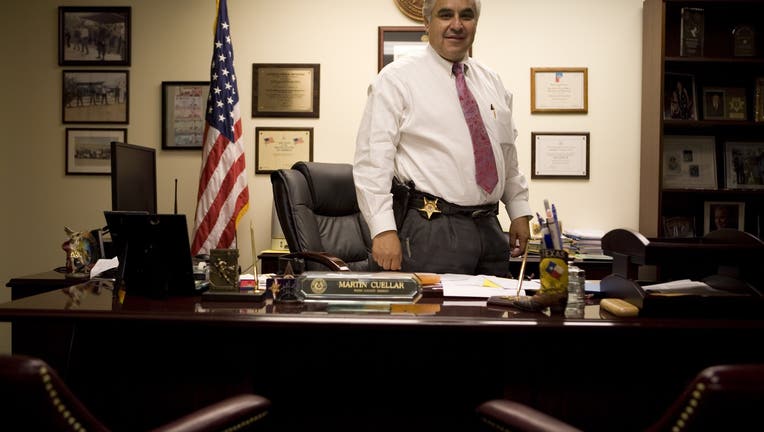
LAREDO, TEXAS - JUNE 16: Sheriff Martin Cuellar, who has witnessed gun battles on the Lincoln-Juarez Bridge between narco-trafficers and daylight assassinations in Laredo, has offered the federal governement his departement's help in fighting gun s
HOUSTON - A sheriff for a South Texas county has been accused of starting a cleaning company with his department's staff to clear half a million in profits.
Martin Cuellar, sheriff of Webb County and brother of recently-pardoned U.S. Rep. Henry Cuellar, is believed to have used $175,000 of those profits for personal gain, including buying property in Laredo.
Sheriff Martin Cuellar indicted
What we know:
A federal grand jury handed down indictments for Cuellar, 67, and his assistant chief, Alejandro Gutierrez, 47, on Nov. 19. Those documents were recently unsealed, revealing an alleged scheme by county law enforcement to use their staff for a side business, ultimately netting them hundreds of thousands.
According to the U.S. Attorney's Office, Southern District of Texas, Cuellar, Gutierrez and former assistant chief Ricardo Rodriguez used Webb County Sheriff's Office staff and resources to start a for-profit disinfecting business during the COVID-19 pandemic.
County-supported side business
Starting in April 2020, "Disinfect Pro Master," which at that time did not yet have employees or supplies of their own, the office says, began taking on clients. WSCO employees started gathering equipment and supplies while on and off the clock for the county, and ran the side business from the sheriff's office, according to the indictment.
Eventually, Disinfect Pro Master landed a $500,000 contract to clean United Independent School Districts in Laredo, which the attorney's office says was completed by WSCO staff and resources. The attorney's office says the cleaning company was run this way for more than two years under Cuellar, Gutierrez and Rodriguez.
Featured
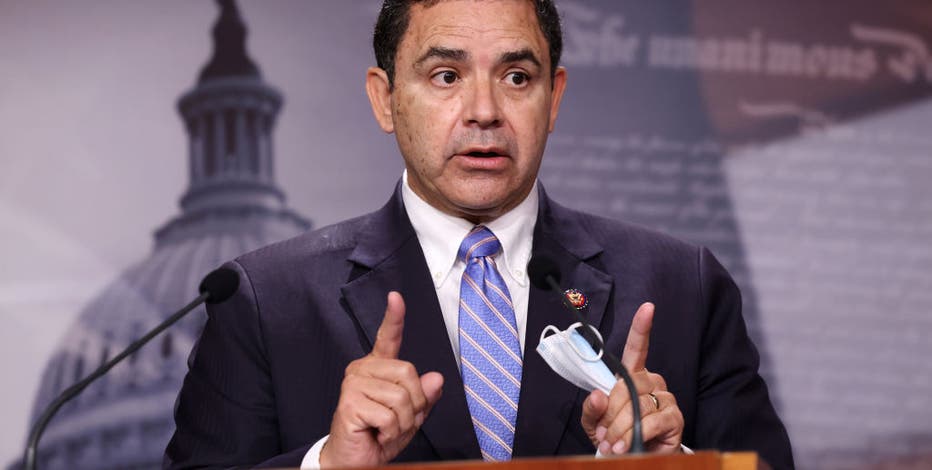
President Trump pardons Texas Democrat Rep. Cuellar for federal charges
Texas Democratic Rep. Henry Cuellar and his wife have been pardoned for federal bribery and conspiracy charges by President Donald Trump.
Of that half-million-dollar contract, the three accused men are alleged to have each profited $175,000. Cuellar is accused of using part of his money to buy property in Laredo.
What's next:
If they're found guilty of their misappropriation charges, Cuellar and Gutierrez could both face up to 10 years in federal prison and a $250,000 maximum fine. Cuellar is also charged with money laundering, which carries an additional 10-year maximum sentence and $250,000 maximum fine.
Rodriguez has already pleaded guilty. He's set for sentencing on March 16, and is on bond as the hearing approaches.
Family ties
Dig deeper:
Sheriff Cuellar's brother, U.S. Rep. Henry Cuellar, represents a Texas district that stretches south from San Antonio nearly to the tip of the border. Henry Cuellar was pardoned last month by President Donald Trump for federal charges that accused the congressman and his wife of accepting almost $600,000 in bribes to advance foreign interests in the states.
Henry Cuellar, a Democrat, was cleared of the bribery and conspiracy charges on Dec. 3. Trump said the charges, brought during the Biden administration, were an intra-party attack on a dissenting member of the president's party. According to Trump, Biden brought the charges in response to Henry Cuellar "speaking the TRUTH" about the former president's border policies.
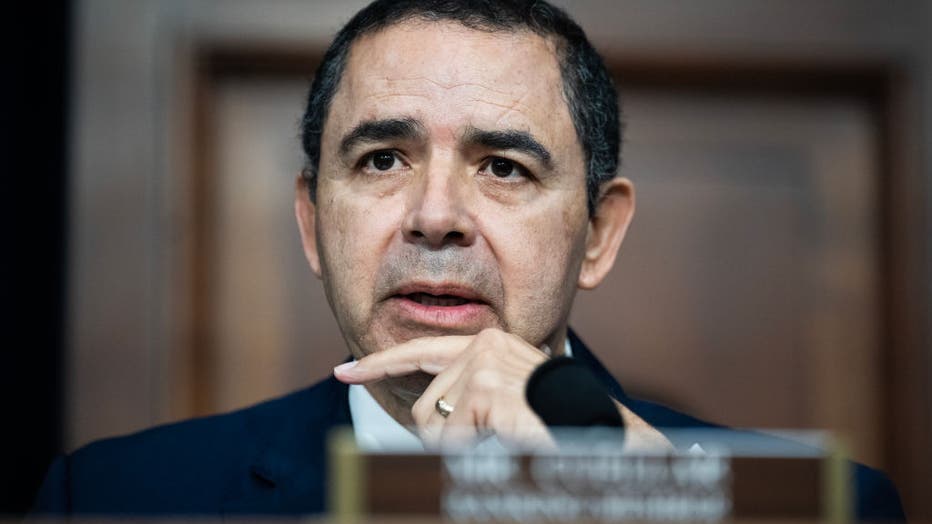
UNITED STATES - APRIL 10: Ranking member Rep. Henry Cuellar, D-Texas, speaks during the House Appropriations Subcommittee on Homeland Security hearing on the "Fiscal Year 2025 Request for the Department of Homeland Security," in Rayburn building on
The representative and his wife, Imelda, were accused of accepting nearly $600,000 in bribes from an Azerbaijan-controlled energy company and a bank in Mexico. In exchange, Cuellar agreed to advance the interests of the country and the bank in the U.S., according to the indictment.
The Source: Information in this article comes from the U.S. Attorney's Office, Southern District of Texas.