

Ice Age fossils discovered in Central Texas cave
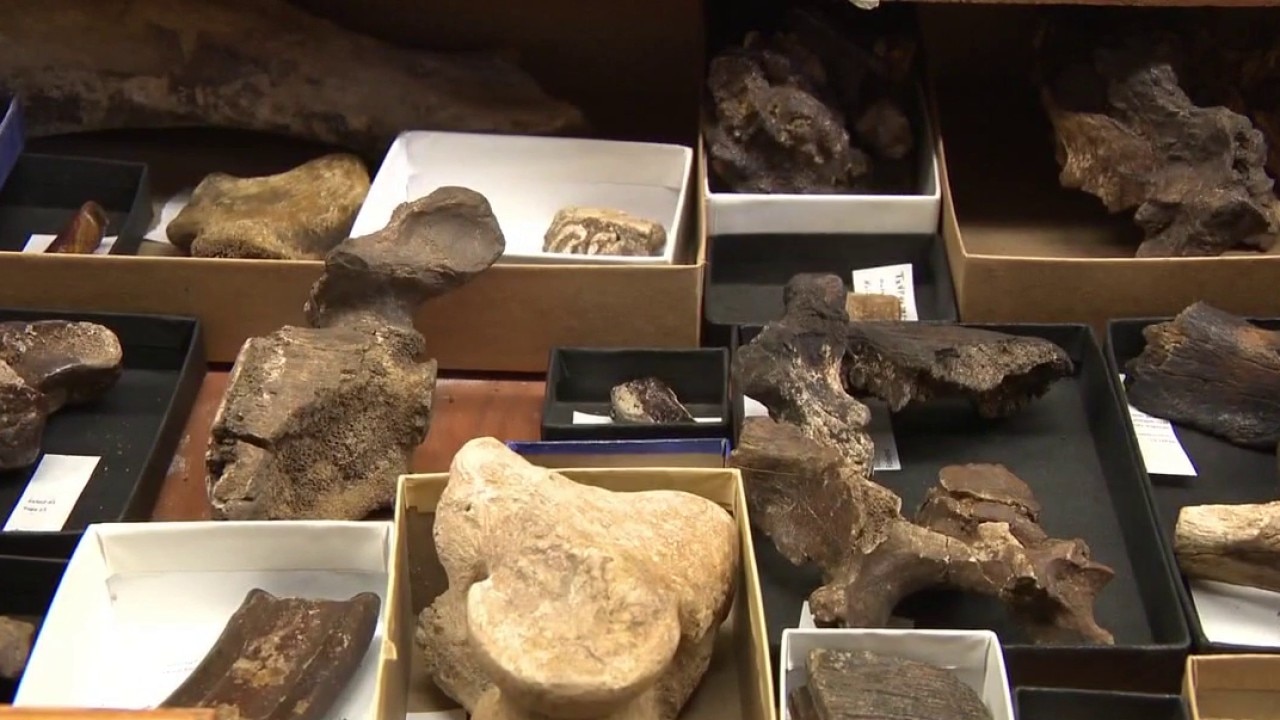
Ice Age fossils discovered in Central Texas
A discovery in Central Texas is challenging what scientists know about the region's pre-historic past. Fossils uncovered deep inside a Comal County cave are now giving us a better idea of what animals roamed around here during the Ice Age.
COMAL COUNTY, Texas - A discovery deep underground in Central Texas is challenging what scientists thought they knew about the region’s ancient past.
Inside a cave in Comal County, researchers have uncovered hundreds of Ice Age fossils—some from animals never before believed to have lived in the area.
What they're saying:
"We thought we knew so much," said paleontologist John Moretti. "These fossils really kind of start to shake that idea."
The backstory:
Moretti, an Ice Age paleontologist and research affiliate at the University of Texas, is part of the duo behind the discovery that is now drawing attention in the scientific community. Beginning in March of 2023, Moretti began travelling with caver, John Young, to Bender’s Cave. Equipped with snorkeling gear and wetsuits, the two repelled more than thirty feet to a stream that runs through the cave system. Beneath the water’s surface, they discovered something remarkable.
"Under the water, the bed of this stream channel is just strewn with fossil Ice Age animal bones," Moretti said. "They’re everywhere."
Over the course of around 8 trips, the team uncovered around 1,000 fossils-many of them sitting loosely along the streambed, as easy to grab as a stone.
"A tooth from a mammoth, a bone from a saber-toothed cat—we’d put them in our pouches right where we found them and keep going," Moretti said.
Among the most surprising finds were fossils from animals never before documented in Central Texas.
That includes the pampathere—a massive, armadillo-like creature that could grow up to seven feet long and nearly three feet tall.
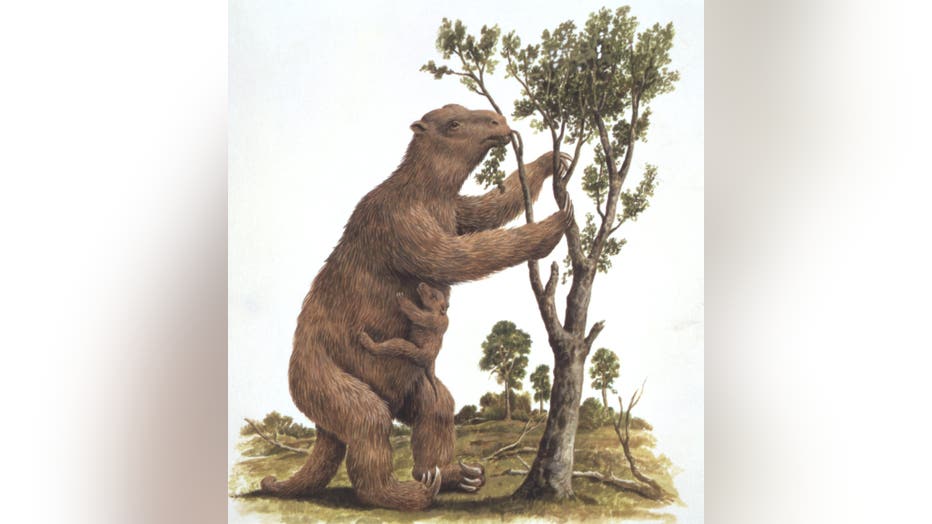
Illustration representing Megatherium (Photo by De Agostini via Getty Images/De Agostini via Getty Images)
Researchers also found evidence of giant ground sloths, including massive claws from the animals that once stood up to six feet tall.
In addition to those discoveries, the team discovered saber-toothed cat teeth, baby mammoth bones, and the remains of camels and mastodons.
Moretti estimates the fossils are between 70,000 and 130,000 years old—with evidence pointing they could be from the last interglacial, a warm period that occurred around 100,000 years ago during the last Ice Age.
Another clue that these fossils may belong to the last interglacial is the habitat and temperature. Ground sloths and mastodons lived in forested environments, while giant tortoises and pampatheres depended on warmer climates to survive. Scientists say those conditions likely existed during warmer interglacial periods.
In contrast, during colder glacial periods, Central Texas was dominated by wide, open grasslands.
What's next:
Now, researchers are trying to answer the next big question: how did the fossils get there?
"They probably are entering in a similar way we are through sinkholes, through these vertical shafts that extend down from the Edwards Plateau surface and intersect these horizontal spring channels," says Moretti.
As the investigation continues, Moretti says discoveries like this depend heavily on access to private land—and he’s encouraging more landowners to partner with scientists.
"Paleontologists like me can really only operate through partnerships with private landowners," he said. "Big discoveries like this are still out there waiting to be made."
The Source: Information from interview with paleontologist John Moretti and reporting by Marco Bitonel.