

Democrat Sarah Eckhardt flips Texas comptroller seat, putting school vouchers under new scrutiny
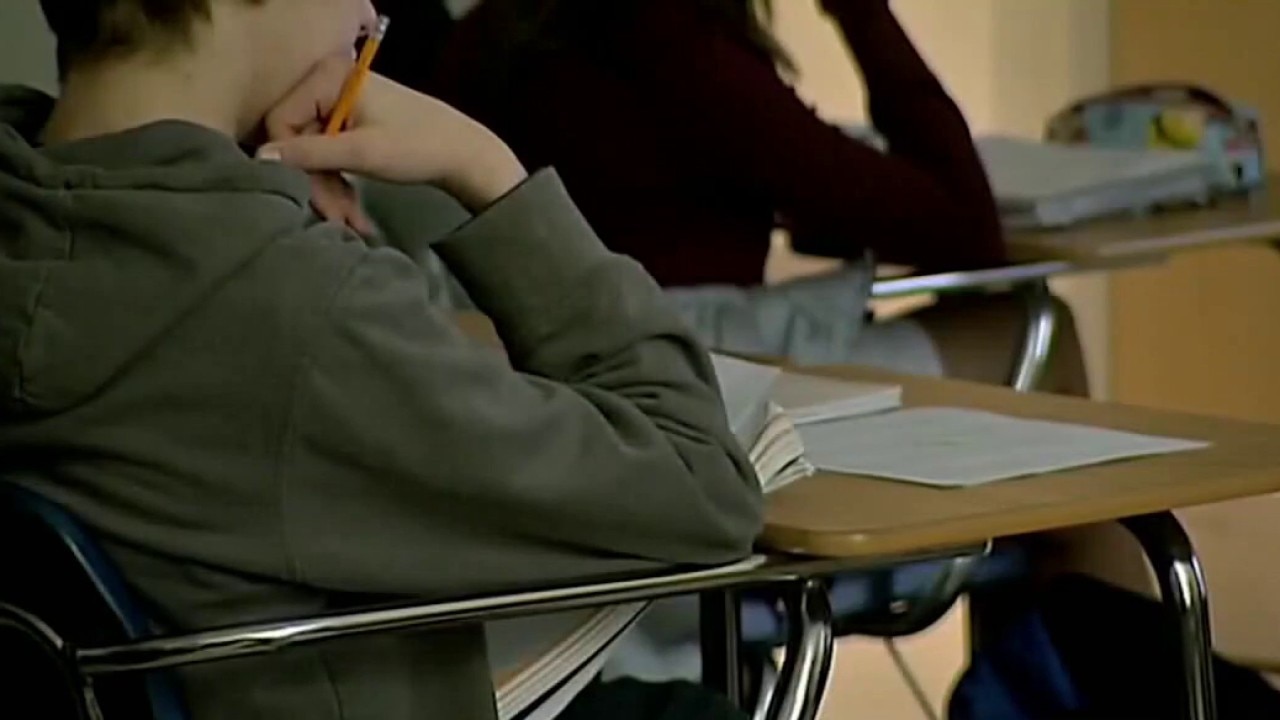
What's next for Texas school voucher program?
As part of a major historic shift in Texas politics, Democratic State Senator Sarah Eckhardt has won the race for Texas Comptroller of Public Accounts, flipping the state’s chief financial office blue for the first time since 1999.
HOUSTON - As part of a major historic shift in Texas politics, Democratic State Senator Sarah Eckhardt has won the race for Texas Comptroller of Public Accounts, flipping the state’s chief financial office blue for the first time since 1999.
Eckhardt defeated appointed Republican incumbent Don Huffines by approximately six percentage points, delivering Texas Democrats their first statewide executive victory in more than a quarter-century.
Now, as comptroller-elect, Eckhardt is to take charge of the agency responsible for estimating state revenue, balancing the state’s checkbook, and managing fiscal oversight. Waiting on her desk on day one is one of the most contested initiatives in modern Texas politics: fiscal accountability over Texas’s more than $1 billion private school voucher system.
What is the Texas school voucher program?
20K Texas students give up school vouchers
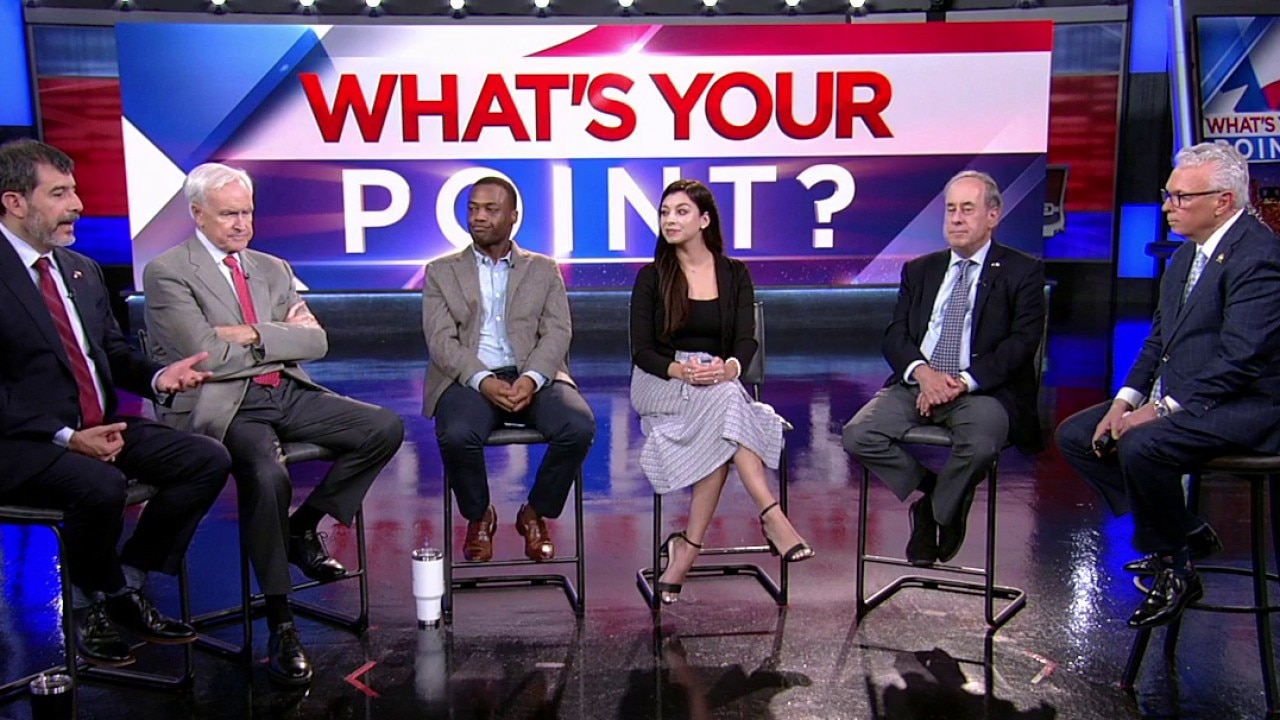
The "What's Your Point?" panel talks about the latest in local, statewide, and national politics.
The backstory:
The Texas Education Freedom Accounts (TEFA) program operates as an Education Savings Account (ESA) model. Under the policy, the state redirects taxpayer dollars into designated individual accounts for eligible families to help cover non-public educational expenses, including private school tuition, approved homeschooling programs, instructional therapies, and more.
While designed to give parents a broader educational choice, the program has drawn sharp pushback from public education advocates. School districts—especially in rural and lower-income communities—bear the brunt of the fallout, as per-pupil state operational funding declines whenever students leave traditional public classrooms.
To manage enrollment demand within the initial $1 billion budget allocation, state lawmakers structured the rollout to prioritize lower-income households and students receiving special education services.

Texas School Voucher Controversy: Is the State Just Subsidizing Private Tuition?
Texas's new $1 billion school voucher program is facing intense backlash after a new report revealed that more than half of the participating students were already enrolled in private or home schools. Critics argue the initiative is simply subsidizing private tuition rather than helping public school students escape failing districts as state leaders originally promised.
Thousands of Houston ISD's students are involved
Local perspective:
In the Greater Houston area, the program’s footprint is already significant.
According to official enrollment figures from the Texas Comptroller’s Office for the 2026–2027 school year, more than 3,000 students residing within Houston Independent School District (HISD) boundaries were awarded and currently hold funded accounts under TEFA.

Navigating new Texas school voucher program
FOX 26 takes a look at how to apply for the new Texas education savings account before the applications open on Wednesday.
Because state funding formulas track average daily attendance, each account awarded within HISD’s attendance zone represents an educational subsidy that bypasses local public school funds—increasing budgetary pressure on the state’s largest public school system.
Follow the money
What they're saying:
Throughout her campaign and her tenure in the Texas Senate, Eckhardt remained an outspoken critic of using public funds for private schooling. Following her election victory, she reaffirmed that scrutinizing the financial mechanics of the voucher program will be a top priority once she assumes office.
"This is a state subsidizing of a private industry that was doing just fine without it," Eckhardt said. "And as we've seen, most parents with children who are utilizing the voucher already had their kids in private school already. So we are at least subsidizing something that was already occurring, or at worst we are incentivizing, inducing a market that we didn't intend and will not serve our children well."
Big picture view:
While only the Texas Legislature holds the power to formally expand, amend, or repeal the voucher program, the Comptroller serves as the state’s chief auditor and financial gatekeeper.
Eckhardt has pledged to deploy the agency’s auditing powers to monitor whether program vendors and participating private schools are complying with state guidelines, and whether the funds are reaching intended low-income recipients.
What comes next?
Incumbent Don Huffines will serve out the remainder of his term through early January. Eckhardt is scheduled to be sworn in just ahead of the regular session of the Texas Legislature in mid-January.

160K+ Texas students apply for new voucher program
The "What's Your Point?" panel discusses the latest in local, statewide, and national politics.
Her first major constitutional duty will be releasing the official Biennial Revenue Estimate (BRE), which dictates the strict spending ceiling under which state lawmakers must craft the next two-year budget. Her financial forecasts, coupled with agency audits of the TEFA rollout, will play a decisive role in shaping how lawmakers evaluate, fund, or overhaul the voucher program moving forward.
For thousands of families and school leaders across the Greater Houston area, the coming transition at the Comptroller’s office could directly influence the future of classroom funding across Texas.
The Source: The information in this article comes from election results, Texas Comptroller's Office enrollment figures for the 2026-27 school year and statements from comptroller-elect Sarah Eckhardt, as provided in the original reporting material.